.
.
.
Education Program
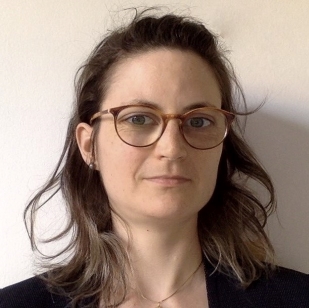
Júlia Angyalka Füredi
Education Co-Lead
Julia Coordinates the OLIve Weekend Program at Open Education.
Julia joined OLIve as an English teacher in February 2016 and became Academic Lead of OLIve-UP in 2023. Following OLIve’s transition to an independent association, she continued coordinating with key team members and assumed the role of Academic Co-Lead alongside Cornelious Qamar in 2025. With a background in History, Aesthetics, and a TESOL Master’s, Julia has taught across various international contexts. She values OLIve’s vibrant and supportive community, believing motivated, curious, and open-minded students enable her both to support their academic success and to learn from them. She considers it an honor to be part of their educational journey.
.
.

Cornelious Qamar
Education Co-Lead
Cornelious Coordinates the OLIve Weekend Program at Open Education and Co-teaches Career Skills.
Having first joined OLIve as a student in 2021, Cornelious experienced firsthand the power of this community for learning and connection. Now, as Academic Co-Lead alongside Júlia Angyalka Füredi since 2025, he has come full circle to give back to the space that shaped him. Passionate about elevating displaced and minority voices, Cornelious firmly believes that consistent, daily efforts unlock monumental achievements. He is incredibly proud to dedicate himself to fostering the potential of every student embarking on their educational path.
Current Teachers
.
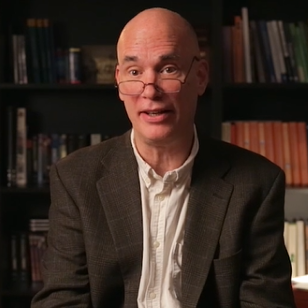
Tom Popper
Co-teaches English Communication
A journalist and the son of a refugee, Tom teaches the English Communication class. His career has mostly involved work in editing and journalism,&n bsp;but he has found teaching to&n bsp;be rewarding and educational.
.
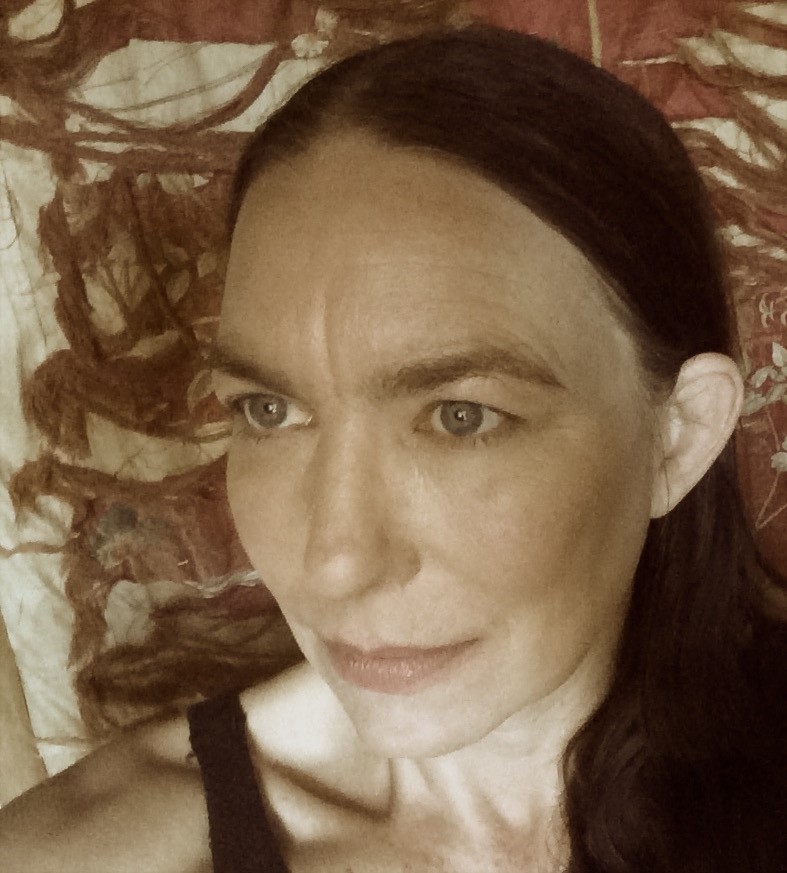
Analucia Da Silva
Co-teaches communication skills
Poet and writer, Analucia (Ana), has a BA in Comparative Literature from Bard College and an MFA in Writing from Saint Mary’s College of California. She has over 20 years’ experience as a writer and editor in the fields of art and visual culture, science and intellectual property. She is also a punk rock singer. Ana loves co-teaching English Communication in the OLIve weekend program with Tom Popper, appreciating the sense of community and open learning culture. She thinks she learns as much from students as they learn from her
tion in t
.
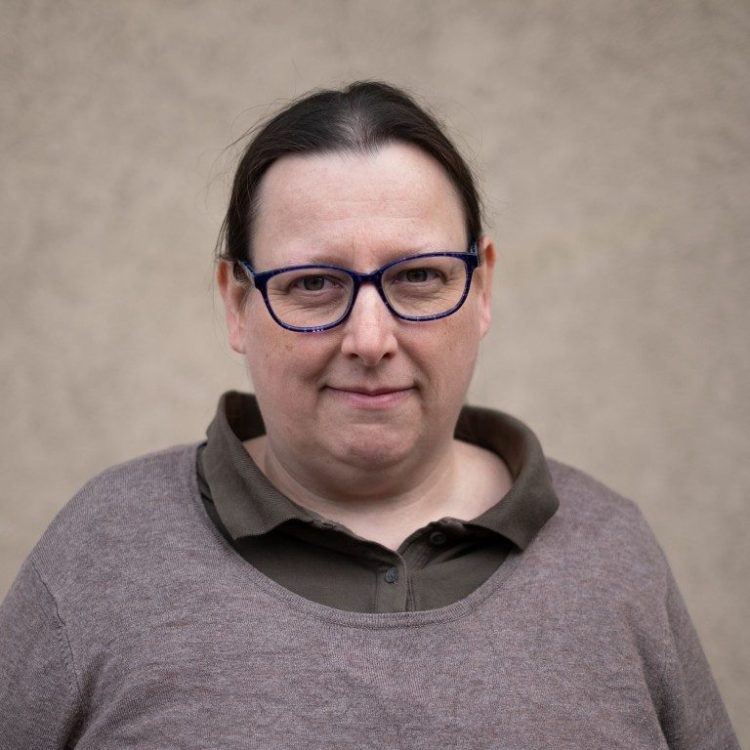
Timi Sófalvi
Co-teaches Career Skills and Enterprise Development
Timi has both a social worker background and completed her MBA at CEU Business School in 2016. She has been working with jobseekers for more than twenty years now. She supports students to identify their goals in their life and to find a way to their dream jobs. During the sessions she creates with the OLIve students an efficient CV and helps them&nbs p;prepare for their job interviews.
/
.
Cornelious Qamar
Co-teaches Career Skills and Enterprise Development
Cornelious’s journey with OLIve began in 2021 as a student, finding a vibrant community of learning and growth. Showing an early dedication to the community, he transitioned into a mentor role and has now stepped into the classroom as a co-teacher. Today, Cornelious co-teaches Career Skills and Enterprise Development alongside Timea Sófalvi, helping students build practical pathways to the future. Driven by a deep passion for empowering displaced and minority voices, he believes that small, daily efforts pave the way for long-term success, and he is thrilled to dedicate his time to guiding our students.
.
.
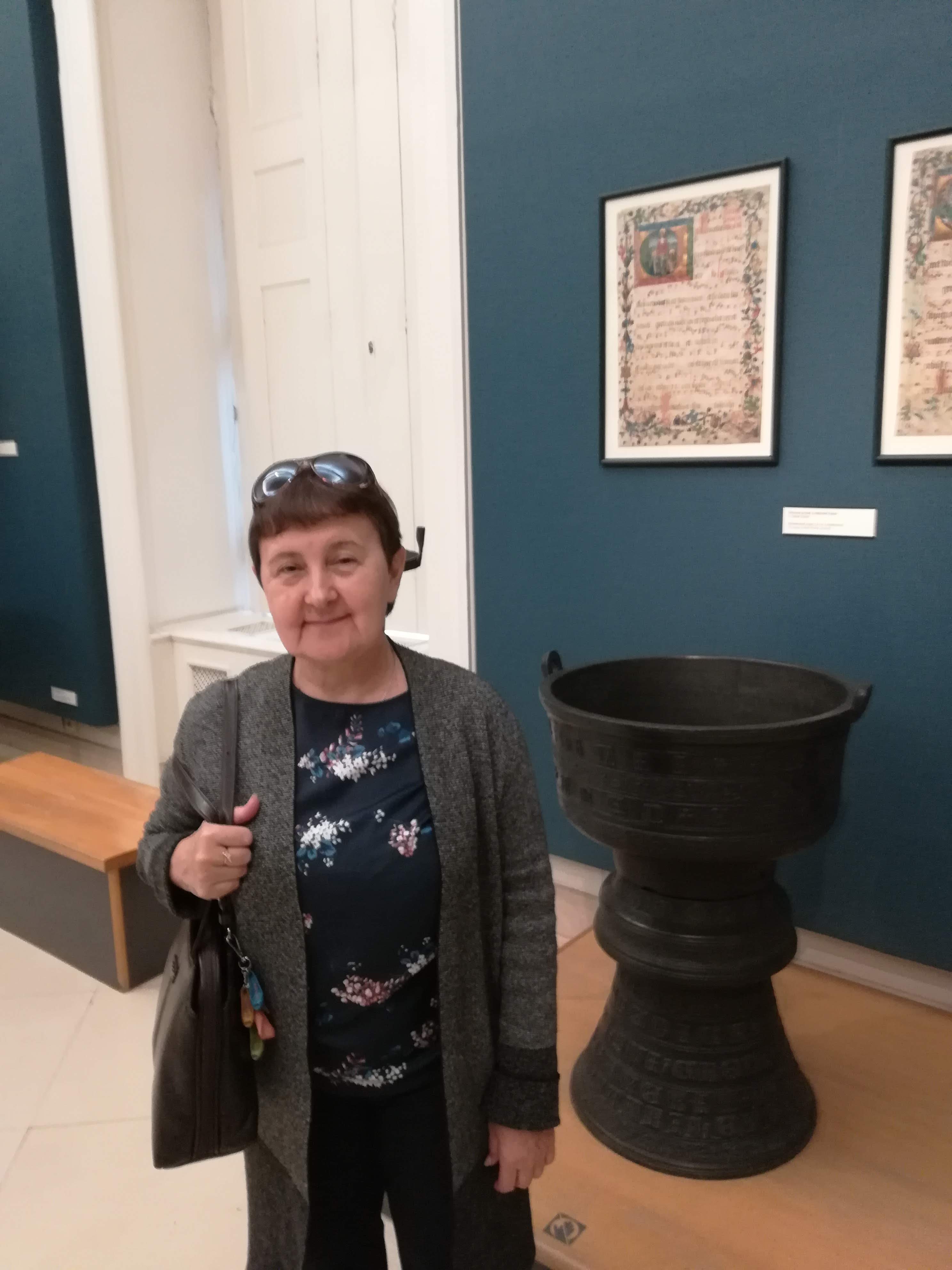
Halyna Koshulap
Co-teaches Introduction to Literary Studies: Power, Surveillance, and the Politics through Sci-Fi
Halyna holds a degree in Romance and Germanic Languages and Literature, along with a Diploma as an English Teacher and Translator from Ivan Franko National University in Lviv, Ukraine. She began her journey at OLIve as a student and was later invited to join the teaching team. Co‑teaching the science‑fiction course with Rahmeh Abdin became a particularly meaningful experience, allowing her to explore new pedagogical approaches. She has taught senior‑grade students, developing engaging lessons, integrating American Literature Studies, and applying innovative motivational techniques. Her pedagogical training includes participation in the Teaching Excellence Award Program at Montana State University, U.S.A. In addition to her teaching background, Halyna worked for many years as a Lead Interpreter and Translator with the International Republican Institute in Kyiv, coordinating programs that supported women’s political participation and contributing to gender election‑monitoring initiatives and policy‑focused publications. Outside of her professional work, she enjoys translating poetry and singing in a church choir.
/

Rahmeh Abdin
Co-teaches Introduction to Literary Studies: Power, Surveillance, and the Politics through Sci-Fi
Rahmeh is an educator and researcher with a background in literature, cultural studies, and academic communication. She is a PhD candidate in American Studies at Eötvös Loránd University, where her research examines identity formation in U.S. literary suburbia through spatial studies and postcolonial approaches. She has taught courses on the Gothic, science fiction, and digital culture, and currently teaches with the Open Learning Initiative (OLIve). Her interests include spatial studies, digital culture, media literacy, and critical theory. She is committed to creating accessible, collaborative, and intellectually engaging learning environments for students from diverse backgrounds.
.

Maria Nasr
Co-teaches Imaginary of the Other
Maria Nasr is a multi-disciplinary artist whose work centres on community, storytelling, and the emotional landscapes that emerge when people are given space to speak openly and safely. She founded SceneScape (Hungary) as an artistic initiative to create opportunities for migrants and refugees to express themselves through community theatre. Over time, the initiative evolved into a platform where migrants and Hungarians could meet, collaborate, and create together.
Beginning with a collective storytelling event in a refugee community centre, she later developed the concept of bringing performances into private homes. This led to two seasons of HOME THEATRE, presented as part of the PLACCC Festival and supported by the Szendvicsbár Community hub.
She later joined OLIve as an art facilitator, where she led workshops such as Introduction to Community Theatre and Art as Protest/Solidarity. She continues to teach Art as Protest/Solidarity in collaboration with Eszter Szabó.
Alongside her facilitation and mentoring work, she has developed solo performances reflecting on her experience as a refugee from Egypt living in Hungary. Where the Knife Fell draws on personal journals as both a reflective tool and an artistic practice, and was presented at Performance Now! (3rd edition, 2025) and the Feminist Festival (2026).
Her ongoing multidisciplinary performance, The Princess Who Cried Sand (premiere: August 2025), created in collaboration with Napsugár Trömböczky, transforms her life story into a contemporary fairy tale. The piece explores themes of domestic violence and the realities of living as a refugee in Hungary.
/
.

Eszter Szabó
Co-Teaches Imaginary of the Other
Ezter Szabó (b. 1979) is based in Budapest. She studied painting at the Hungarian University of Fine Arts where she graduated in 2006. She completed her postgraduate studies at Le Fresnoy École Internationale des Arts Contemporains in 2016. Her works are drawings, paintings and short, non-narrative, conceptual video loops, complemented with her recent interest in video installations and video sculptures. The videos are elaborated versions of her paintings, animated in 2D or in 3D or often with mixed techniques.She creates portraits of fictional but very familiar characters that she observes and ’collects’ in public spaces. When looking at people, instead of perceiving the extraordinary, her focus is directed on the ordinary, exposing otherwise unnoticed details and revealing invisible elements. Her protagonists are mostly Eastern European or Central European women, characterised by vulnerability, combatting aging, emotions and anger, fatigue of their everyday existence and many times, motherhood. Thus, these figures are a product of their geographical, political, historical and social context but the grotesque characters also possess a certain kind of humour that the artist depicts with a large amount of empathy and compassion.
Eszter Szabó showed her work at numerous solo shows and took part in various group exhibitions in Hungary, Paris, New York, Brussels among others. In 2021 she was the winner of the prestigious Leopold Bloom Art Award. More info: www.eszterszabo.hu
/
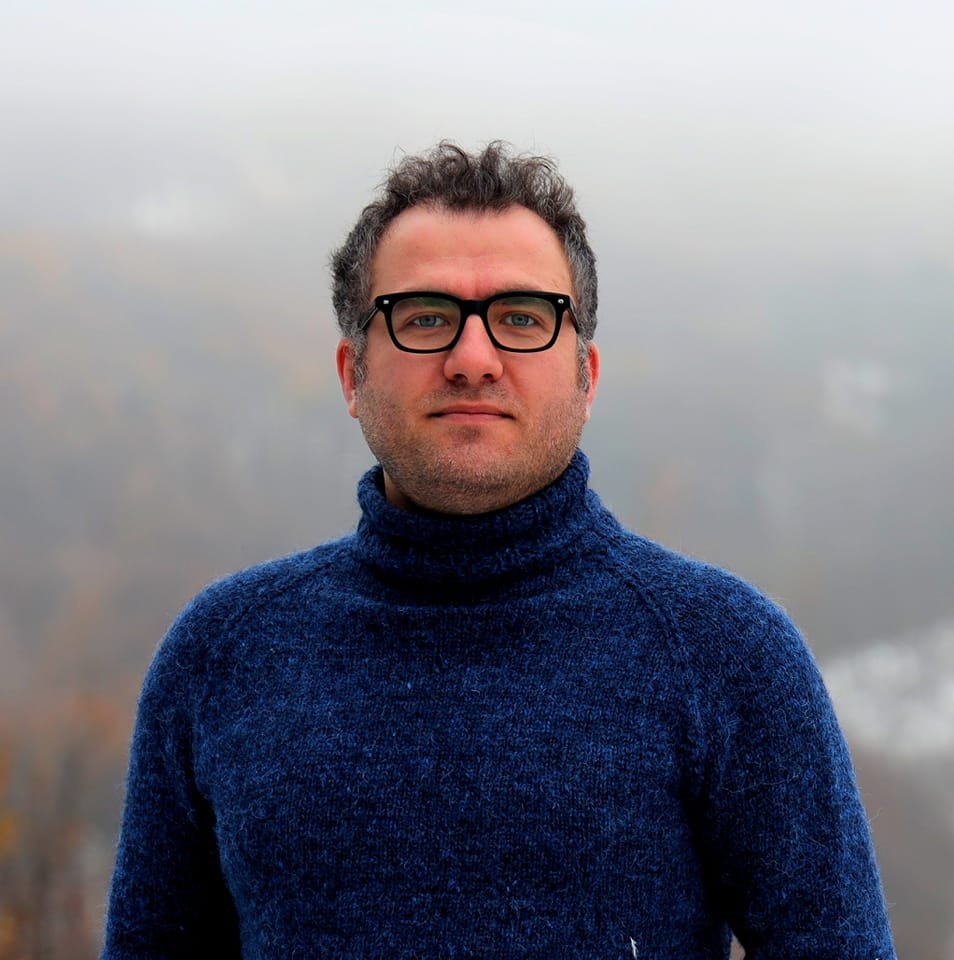
Mansour Forouzesh
Teaches Transforming the Ordinary into Cinematic Vision: Introduction to Documentary Filmmaking
Mansour Forouzesh is an Iranian filmmaker, photographer, and interdisciplinary artist whose work spans fiction, documentary, and visual arts. Active since 2005, he has directed numerous short films, documentaries, and experimental works that have been screened at more than 70 international film festivals, including the Fajr and Cork International Film Festivals. His documentary Lost Whispers in the Distance was recognized among the top ten Iranian documentaries of 2021, while When I Killed the Cat was produced in collaboration with Mythberg Films and Bart Films (UK). He is currently completing The Elephant’s Tango, a Mongolian-language short film exploring the relationship between reality and fiction, and developing his debut feature film, JACKSTONES.
Alongside his filmmaking practice, Mansour is a doctoral researcher at the Hungarian University of Fine Arts, where his research investigates metaphor, perception, and meaning-making in visual storytelling. His artistic research extends into photography and exhibition-making, with projects presented internationally through exhibitions, publications, and festivals.
As an educator, he has delivered guest lectures, workshops, and masterclasses in Iran, Hungary, and the United Kingdom, including at the Hungarian University of Fine Arts and dBs Institute Bristol. His teaching focuses on filmmaking, visual storytelling, documentary practice, and artistic research. He is currently developing a filmmaking and photography workshop that explores ordinary events and everyday experiences as artistic testimonial material, examining how personal encounters, overlooked moments, and lived realities can be transformed into meaningful cinematic and photographic narratives. He has also served as a jury member at several international film festivals and regularly contributes to discussions on contemporary visual culture, realism, and creative practice.
/
.

Kata Amon
Teaches Why is Housing So Expensive, and How to Make it Affordable? Introduction to Housing Studies
Kata Amon is a researcher at the ELTE Center for Social Sciences interested in grassroots civic engagement, housing, public policy, and social solidarity. She has a PhD in Political Science with a specialization in Public Policy and an MA in Gender Studies from the Central European University. She has taught several courses in public policy, political economy, research methods, and housing at various Hungarian universities, including ELTE and the International Business School. She also has experience in housing activism and community organizing, together with people affected by housing poverty.
/

Shaima Zahoor
Teaches English 1
Shaima is an English language educator whose work focuses on inclusive education, intercultural learning, and accessible language teaching for diverse communities.
Originally from Pakistan and raised in Saudi Arabia, she has been living in Hungary for several years, an experience that has given her a deep understanding of the linguistic and cultural challenges faced by migrants and displaced individuals. With a grounded, empathetic, and practical teaching approach, she focuses on creating supportive learning environments for diverse learners.
She has experience working with children and adult learners from diverse backgrounds and has collaborated with several educational and community-based organisations in Hungary. Her work is centred on creating engaging, supportive, and confidence-building learning environments, with a particular focus on early childhood education and communicative English.
She is especially committed to inclusive, community-oriented education that supports integration and personal development through language learning.
She is currently working with OLIve, and continues to develop her practice in supportive and community-based educational settings.
/
Júlia Nemes
Teaches English 2
I have been teaching English at Olive since spring 2020, building on a teaching career that began in 2010 after I earned my degree in English studies and pedagogy. My approach is communicative, even when teaching grammar, as I aim to create a dynamic, interactive experience. I focus on motivating students and understanding their individual needs, helping them find ways to learn beyond the classroom. Working with students at Olive is especially rewarding because they bring a strong drive and immediate need to learn English. Being part of the Olive team is equally fulfilling, as I feel consistently supported by my open-minded and warm colleagues in this exceptional environment.
/

Kerry Tyrrell
Teaches English 3
Kerry Tyrrell has been teaching English as a foreign or second language since 2017. His teaching is grounded in task-based learning, with an emphasis on meaningful communication. He studied English Literature and TESOL at Victoria University, in Wellington, and in his free time enjoys reading, writing, chess and cricket.
/
.
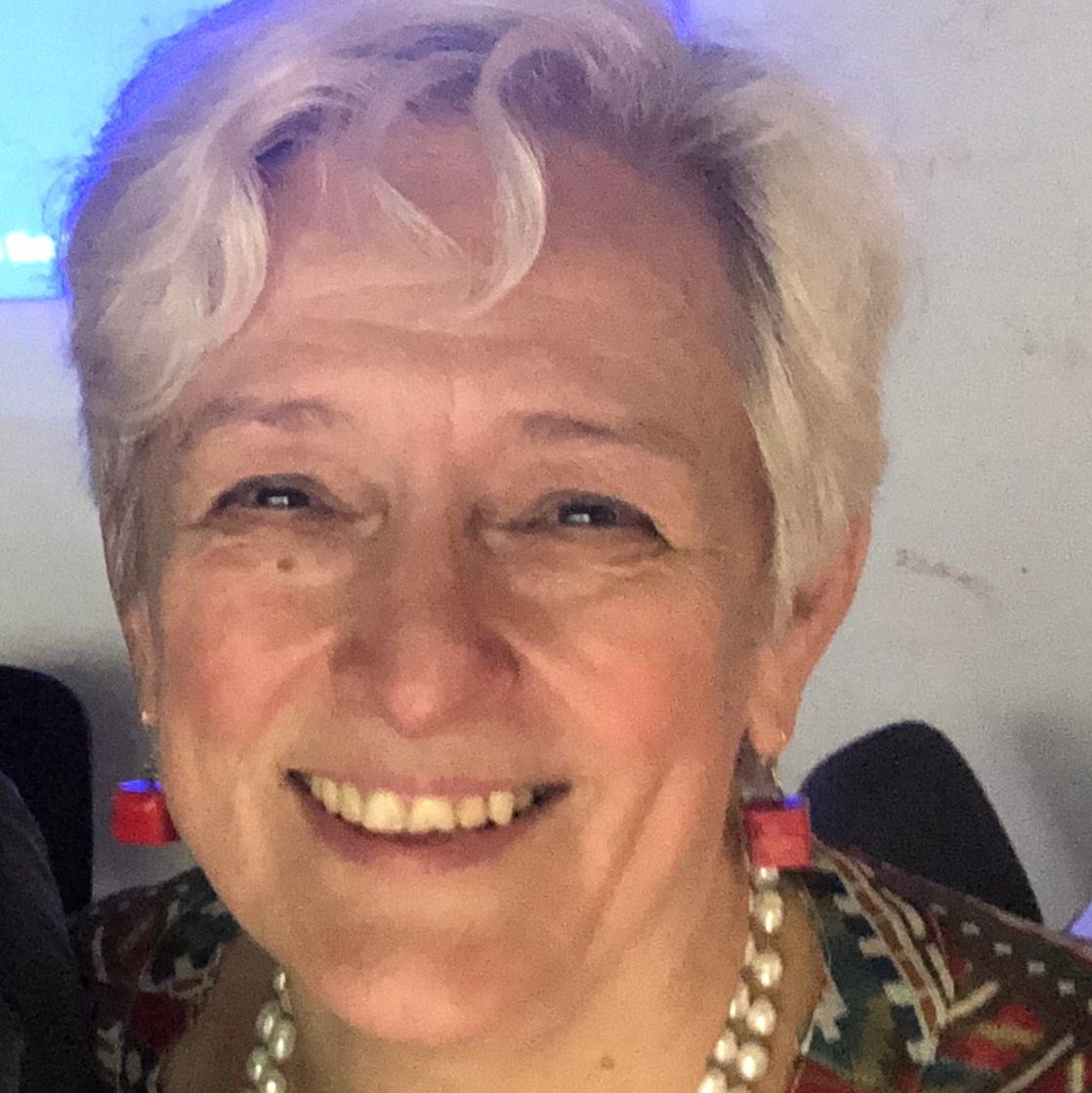
Eszter Simongáti
Tutor, Counselor
Eszter provides small group and individual tutoring for school students and university applicants participating in the OLIve program since 2021. Eszter also provides counseling and decision making related to students’ postsecondary education plans. Through consultations they identify students’ readiness and potential gaps in college access. She helps students plan a successful transition from high-school to further education. Eszter studied Literature, Linguistics and History at ELTE University. Her career covers several areas, e.g. museum, art, cultural management as well as education. (Museum of Fine Arts, Ludwig Museum, Hungarian Institute for Educational Research and Development, Balassi Institute) Recently, Eszter is teaching Medical Hungarian Language at Semmelweis University, Faculty of Medicine.
Core Team
.

Kutaiba Alhosen
Director of the OLIve Association
Kutaiba’s connection with OLIve began in 2016 when he participated as a student in the first OLIve weekend program launched in Budapest. In 2017, Kutaiba enrolled in OLIve University Preparatory Program, enabling him to complete his LL.M in international business law at Central European University. Since then, he has been actively involved in OLIve, serving in various roles such as administrative assistant, mentor, and coordinator. Kutaiba is a co-author of a chapter titled “Our Voice” in the book “OPENING UP THE UNIVERSITY: Teaching and Learning with Refugees.” He also participates in several conferences, discussing&nb sp;solidarity and access to higher education for refugees. In addition to his volunteer work with OLIve, Kutaiba currently holds a position as a regulatory expert at OPL gunnercooke.
.
.
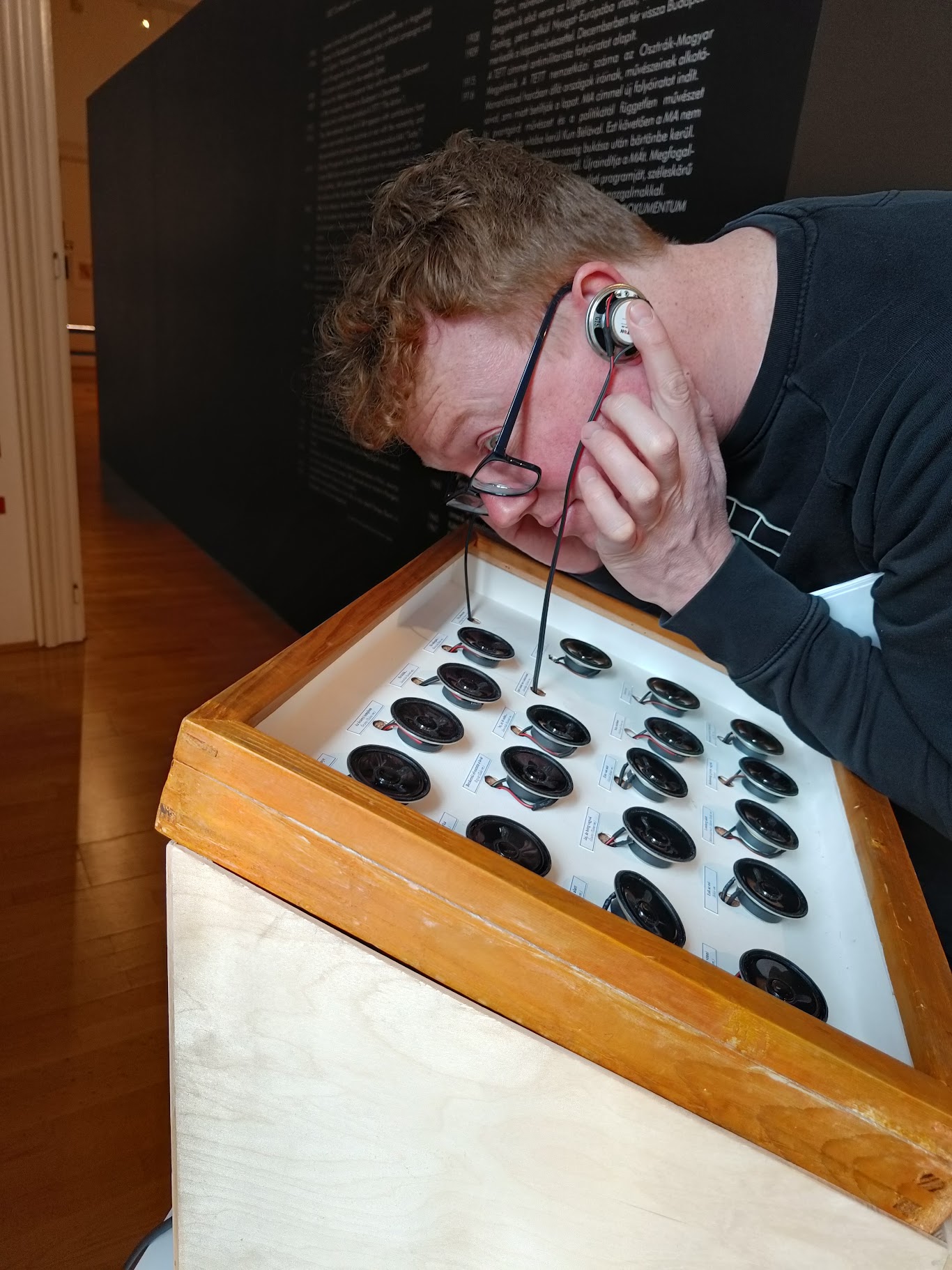
Ian M. Cook
Former Director of Studies (2019-2023)
Dr. Ian M. Cook loves working with fellow scholars and students in making their podcast dreams a reality. By training, he is an anthropologist whose work focus includes urban India, scholarly podcasting, open education, and environmental (in)justice. Ian has co-created numerous scholarly podcasts, including for research projects and initiatives, and has taught podcasting workshops for researchers, students, teachers, NGO workers, activists and journalists across Europe. He interviewed 101 scholars who podcast for his book Scholarly Podcasting: Why, What, How? and explored how podcasting can be peer reviewed scholarship in the co-written book Podcast or Perish: Peer Review and Knowledge Creation for the 21st Century (with Lori Beckstead and Hannah McGregor). Ian was Director of the Open Learning Initiative (OLIve) at CEU in Budapest from 2019-2023 and produced the related edited volume Opening Up the University: Teaching and Learning with Refugees (with Céline Cantat and Prem Kumar Rajaram). He is currently Editor and Chief at the multimodal anthropology publishing platform Allegra Lab.
.
.
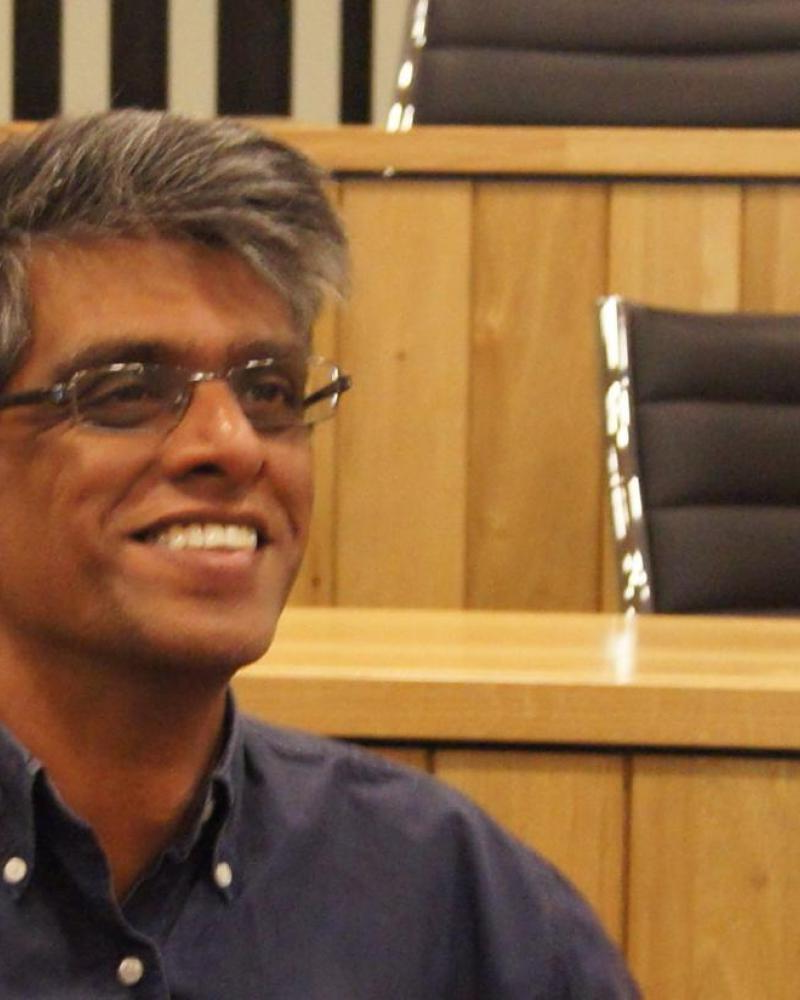
Prem Kumar Rajaram
Co-Founder of OLIve
Prem Kumar Rajaram was one of the founders of OLIve in 2016 and remains a volunteer in the programme. He works at Central European University, teaching and researching issues of marginalisation, migration and colonialism.
.
.
.
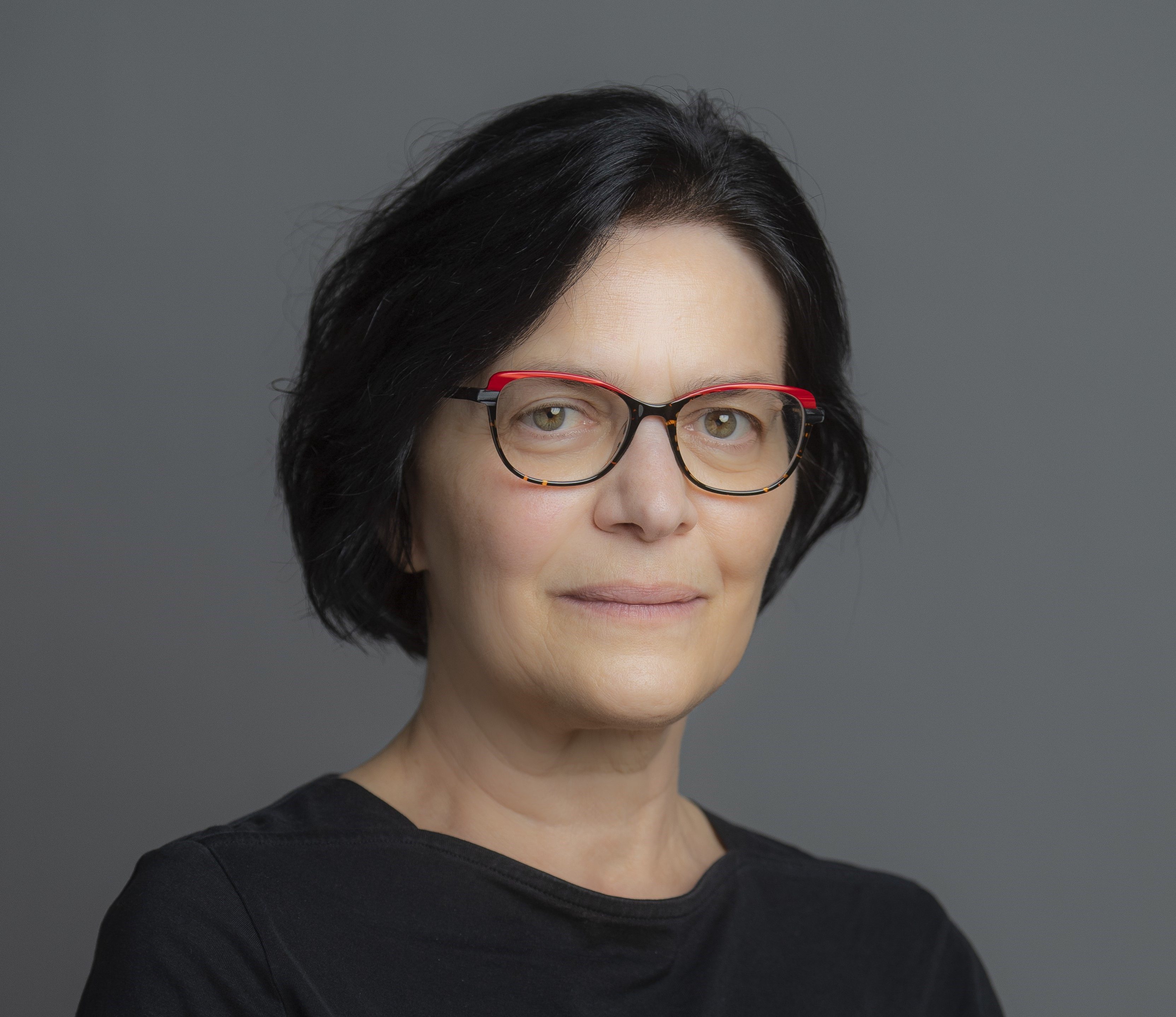
Violetta Zentai
Board & Core Team Member
Violetta Zentai, social anthropologist, professor at the Departments of Public Policy and Sociology and
Social Anthropology, and senior researcher at the Democracy Institute of the Central European
University (CEU), Vienna-Budapest. She also worked for two decades as an expert with the Open Society
Foundations on democratic local governance, equality mainstreaming, and rights-based development.
She was a co-founder and director of the Center for Policy Studies at the CEU (2003-2020) and served on
the core group of the Open Learning Initiative (OLIve), the refugee education program of CEU (2016-
2022). She was the senior advisor to the lead partner of the Roma Civil Monitor initiatives sponsored by
the European Commission, DG Justice and Consumers, for two cycles https://cps.ceu.edu/roma-civil-
monitor. Her research focuses on ethnic-racial and gender in/equalities, post-socialist socio-economic
transformations, and pro-equality civil society formations. She has also been engaged in collective
research endeavors in migrant solidarity research, social movements of intersectional social justice
agendas, and social and political resistance to illiberal political trends. Her most recent articles were
published in Critique of Anthropology, Social Inclusion, and Journal of Immigrant & Refugee Studies.
https://people.ceu.edu/violetta_zentai
.
.
Timi Sófalvi
Head of Communications
Timi has both a social worker background and completed her MBA at CEU Business School in 2016. She has been working with jobseekers for more than twenty years now. She supports students to identify their goals in their life and to find a way to their dream jobs. During the sessions she creates with the OLIve students an efficient CV and helps them&nbs p;prepare for their job interviews.
/
.
.
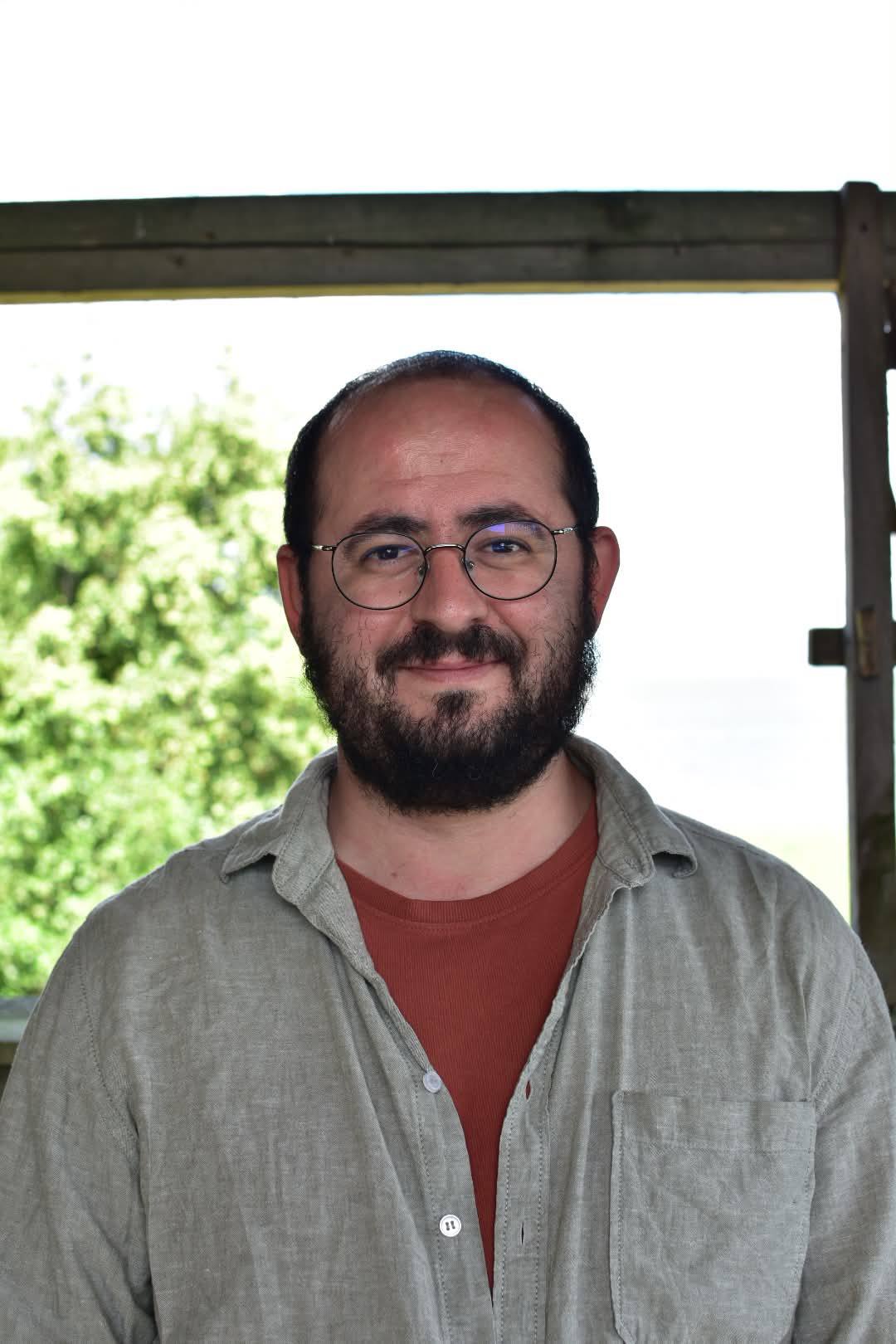
Olsi Dudumi
Board & Core Team Member
Olsi Dudumi is the Regional Migration & Displacement Programme Coordinator at Terre des hommes Foundation for the Europe Region.
At OLIve, he has been a long-term supporter and volunteer of its educational programmes.
In 2022, Olsi and a colleague from Terre des hommes delivered a course on digital education and empowerment as part of the OLIve academic programme. The course focused on introducing FabLab manufacturing technologies and exploring their potential for community development and empowerment.
.
.
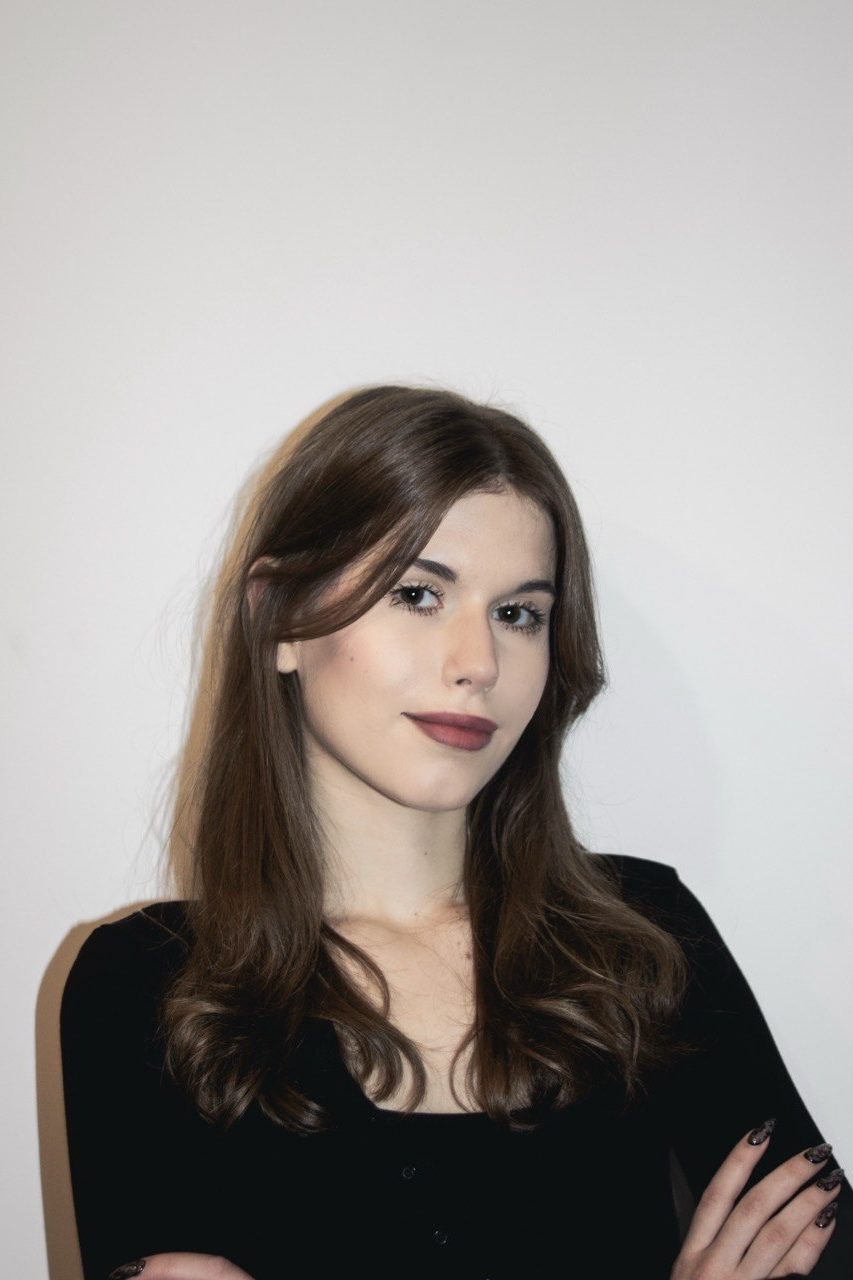
Faya Radynska
Program Administrator | Communications Team Member
Faya first joined OLIve as a student, an experience that helped her pursue her Psychology studies and one she is deeply grateful for. She now works as a Program Administrator, where she’s happy to help create similar inclusive and accessible educational opportunities for others.
.
Former Mentors

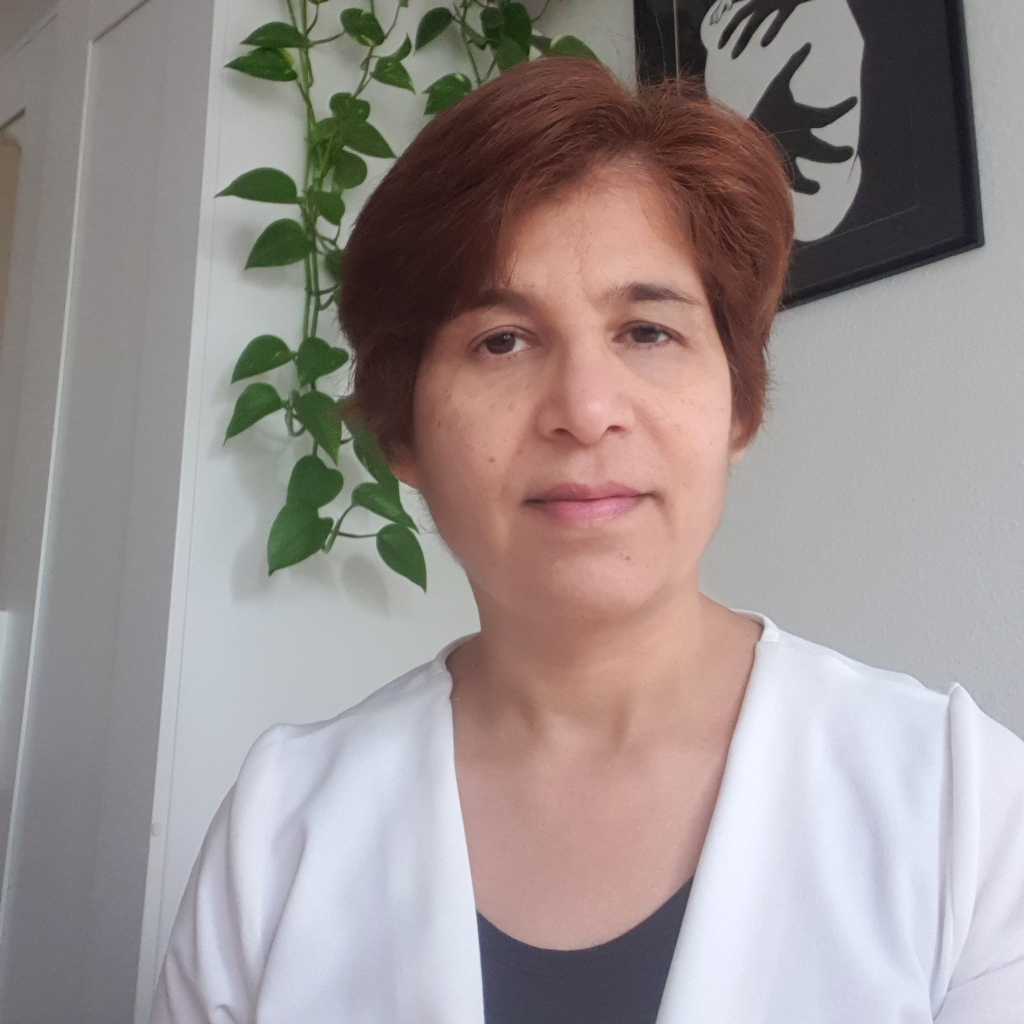
Akileo Mangeni
Former Teachers
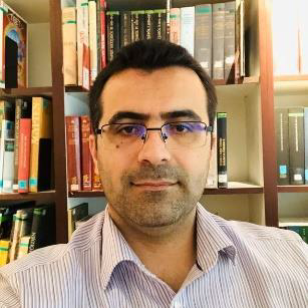
Amin Saed

Ildikó Zakariás
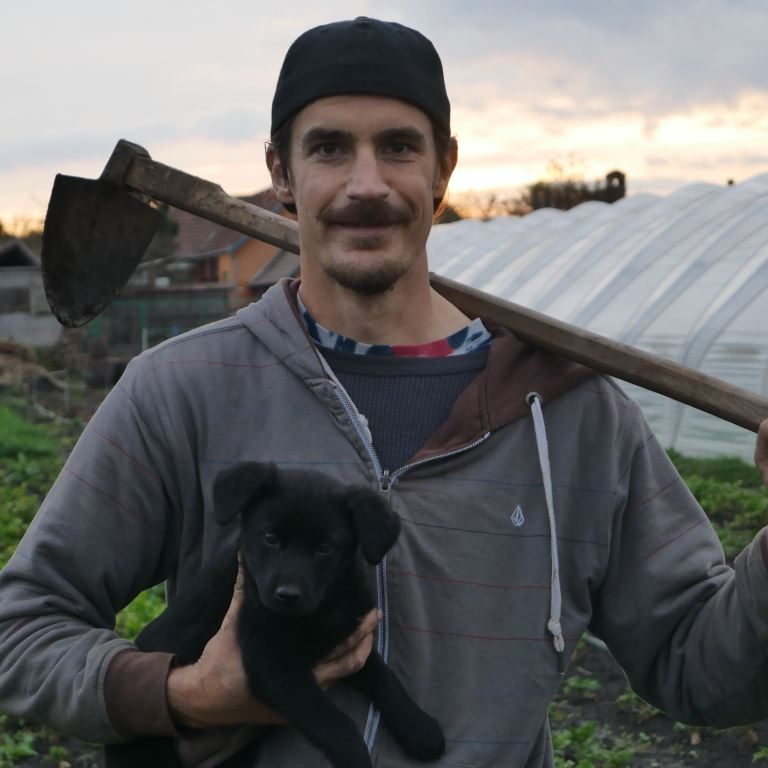
Logan Strenchock
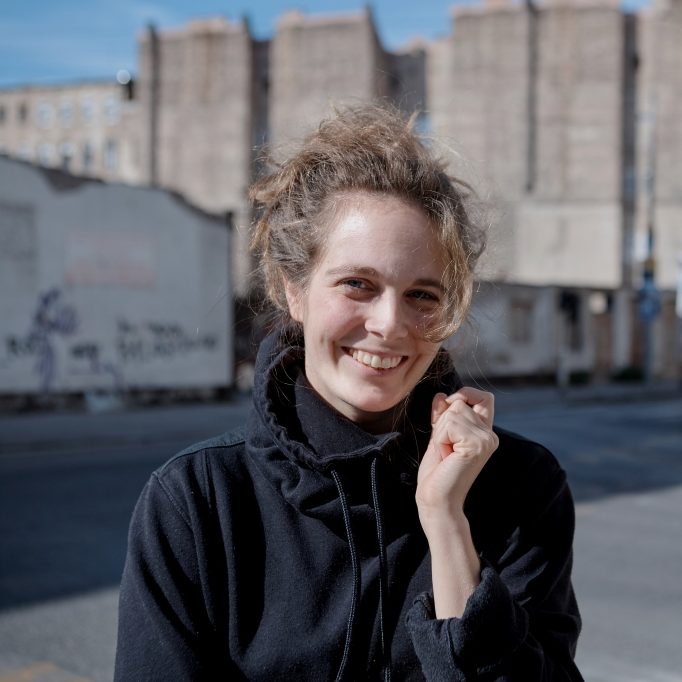
Virág Lődi
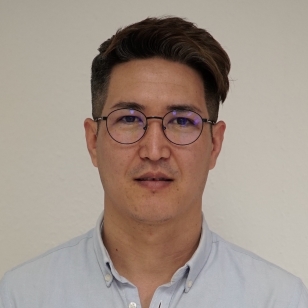
Mahdi Jafari

Iryna Matkovska

Zoltán Ádám
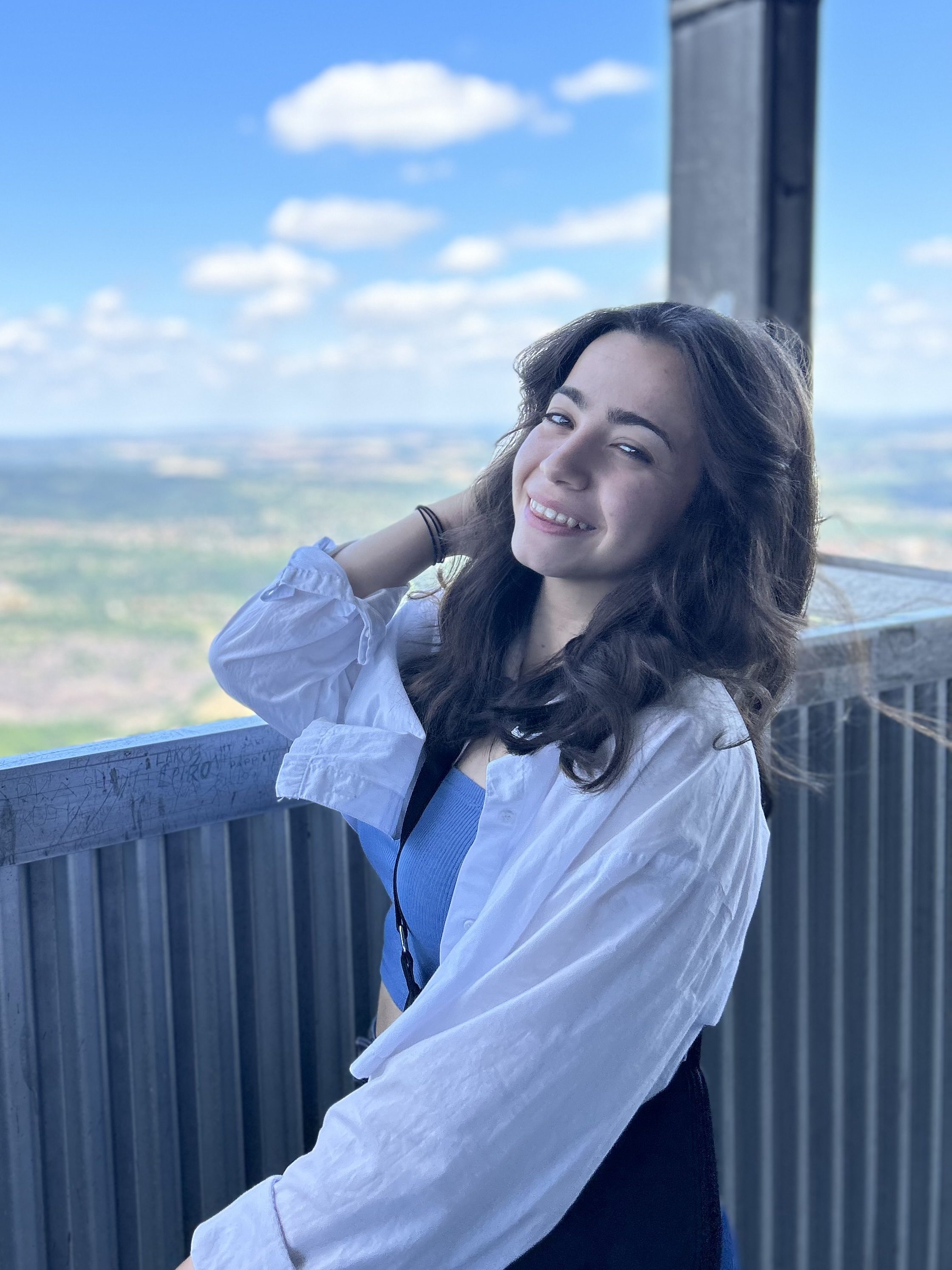
Rand Abu Lail
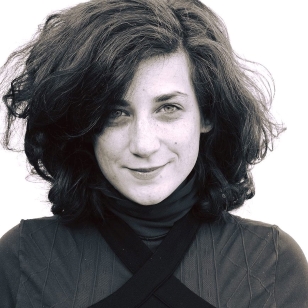
Nóra Balkányi
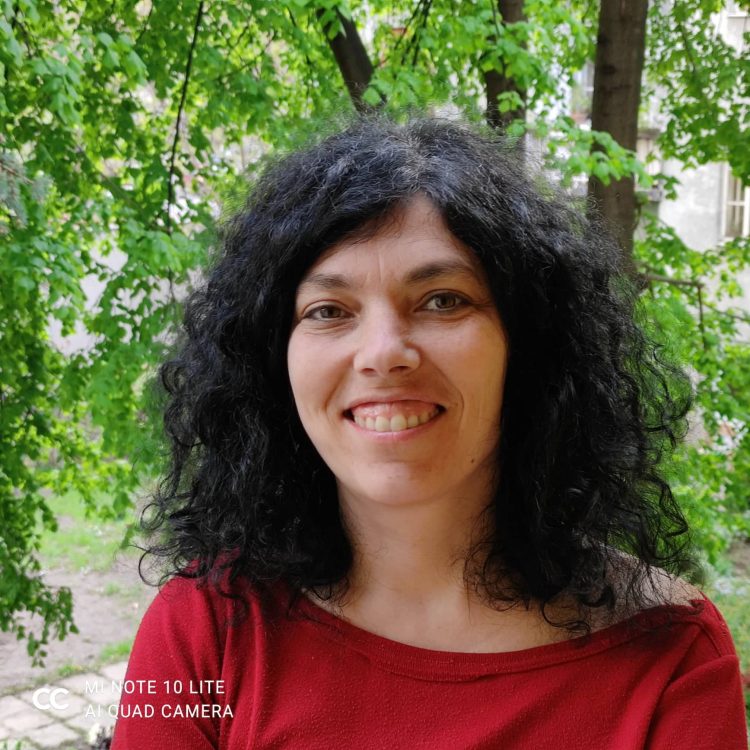
Cecília Kovai
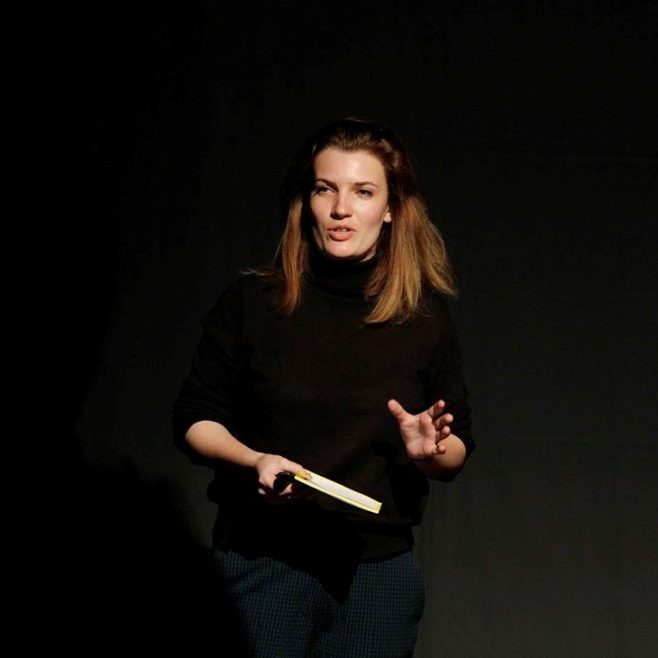
Dalma Magasi
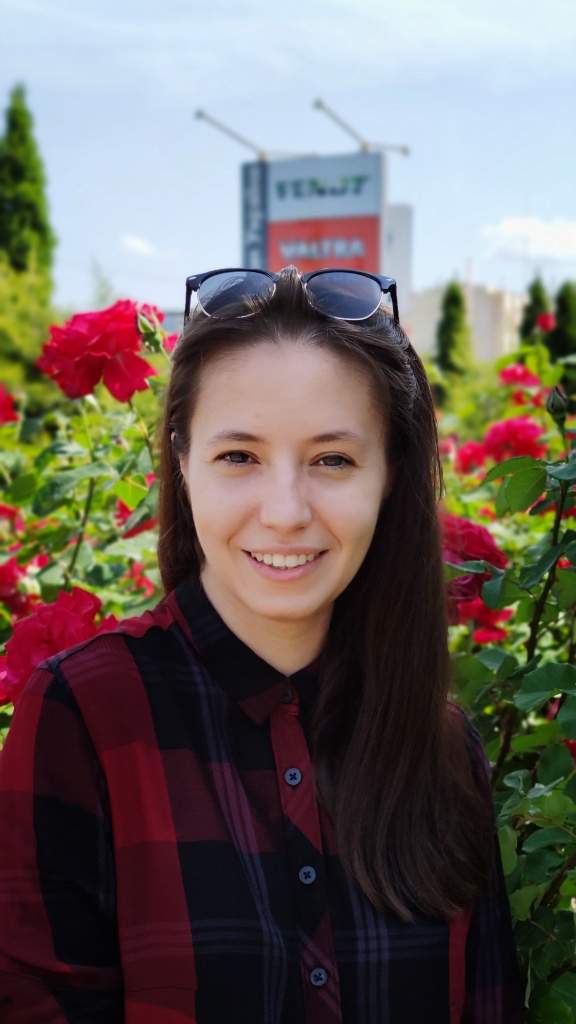
Yuliia Verkhovska
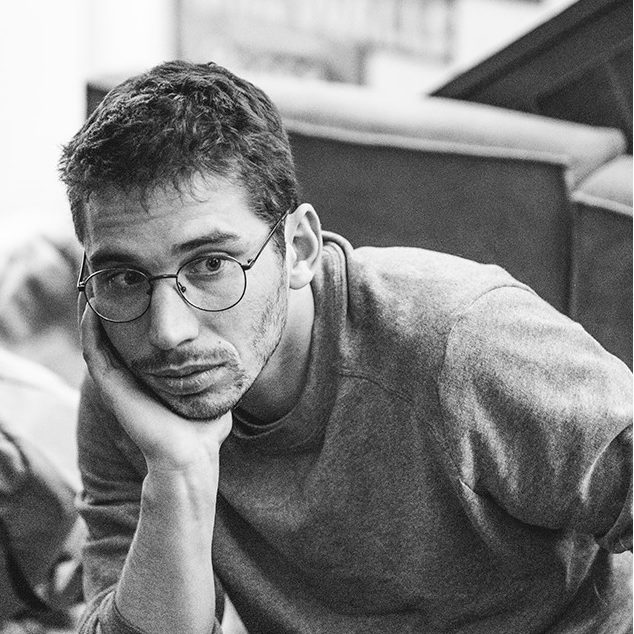
Márton Szarvas
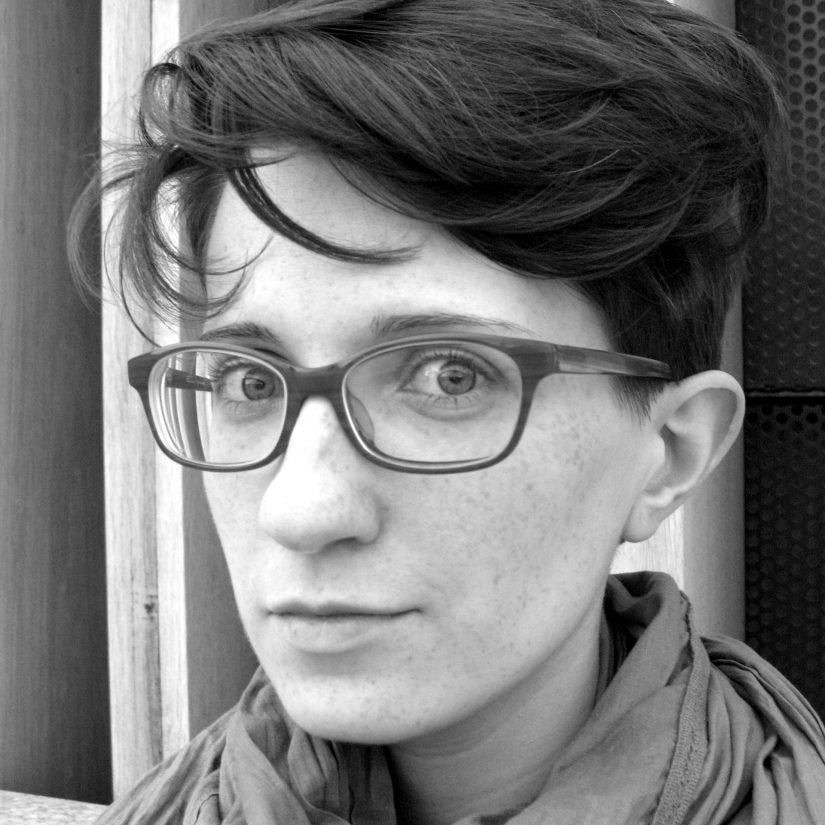
Mariia (Masha) Semashyna
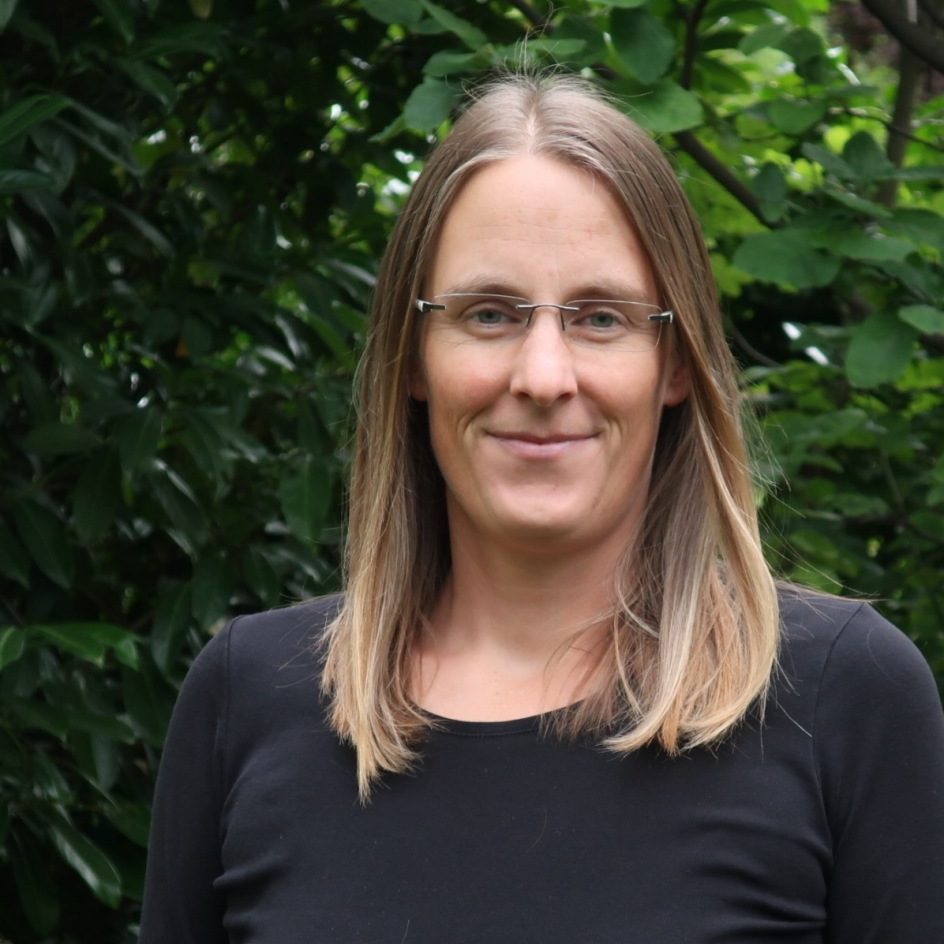
Marta Vetier
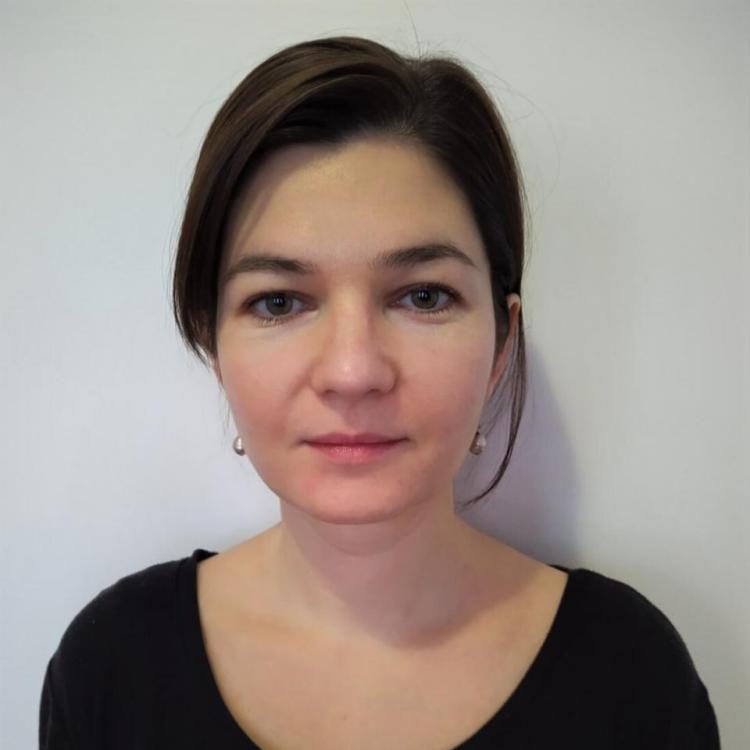
Dumitrița Holdiș
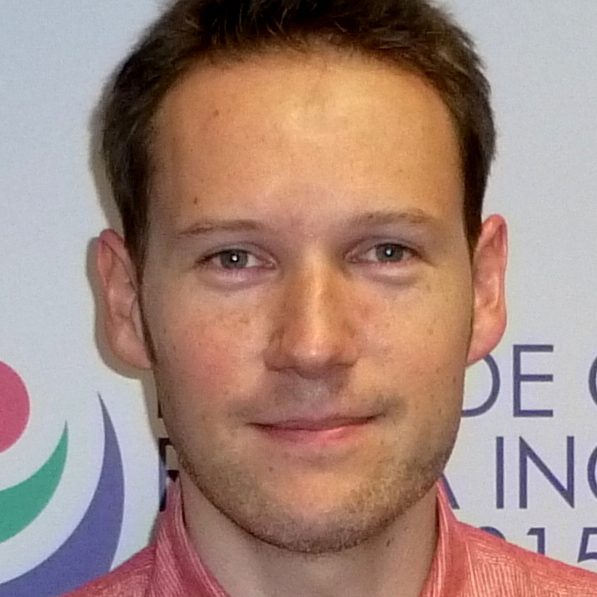
Márton Rövid
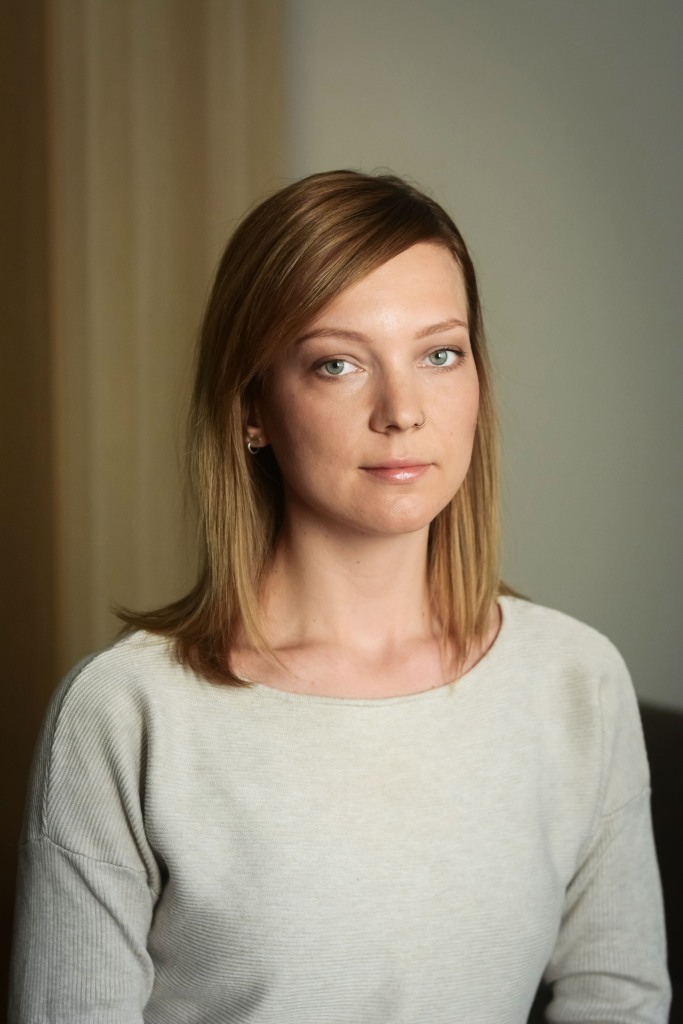
Noemi Bulecza
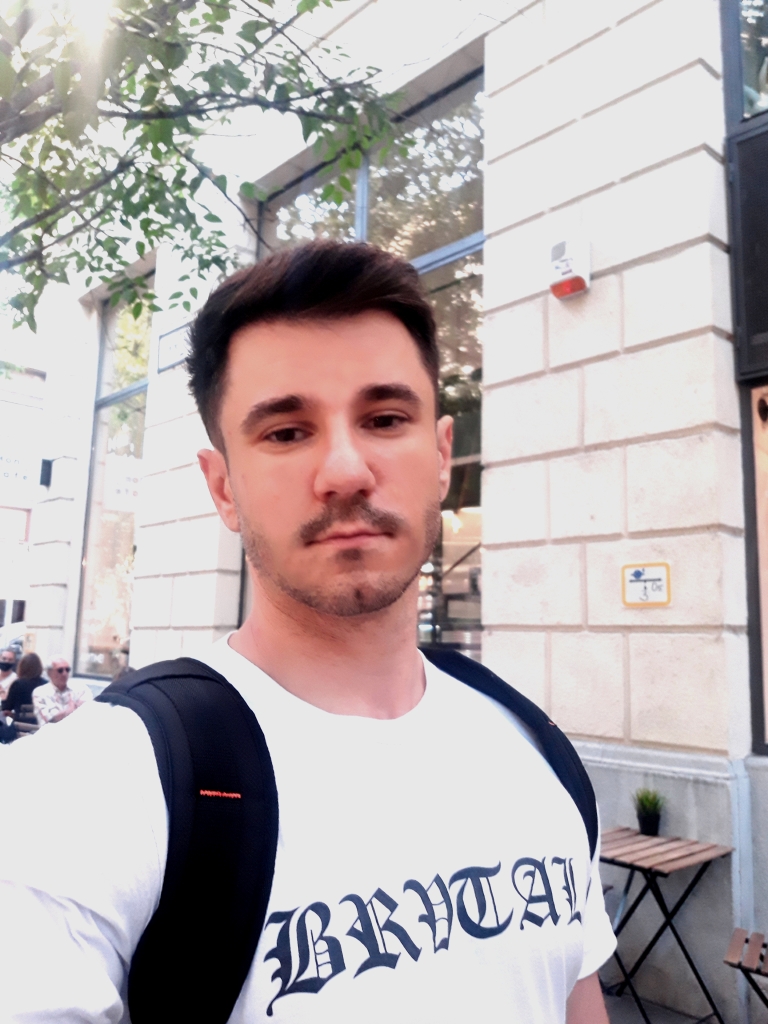
Perica Jovchevski

Tamara Kolarić

Zoltan Somogyvári

Sára Szilágyi
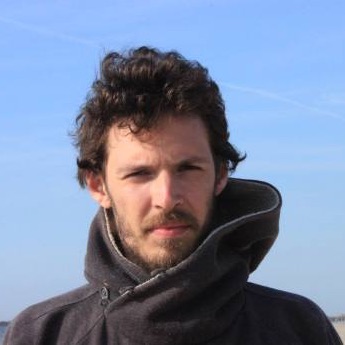
András Simongáti-Farquhar
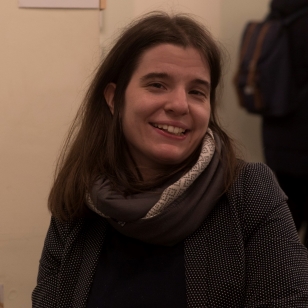
Zóra Molnár
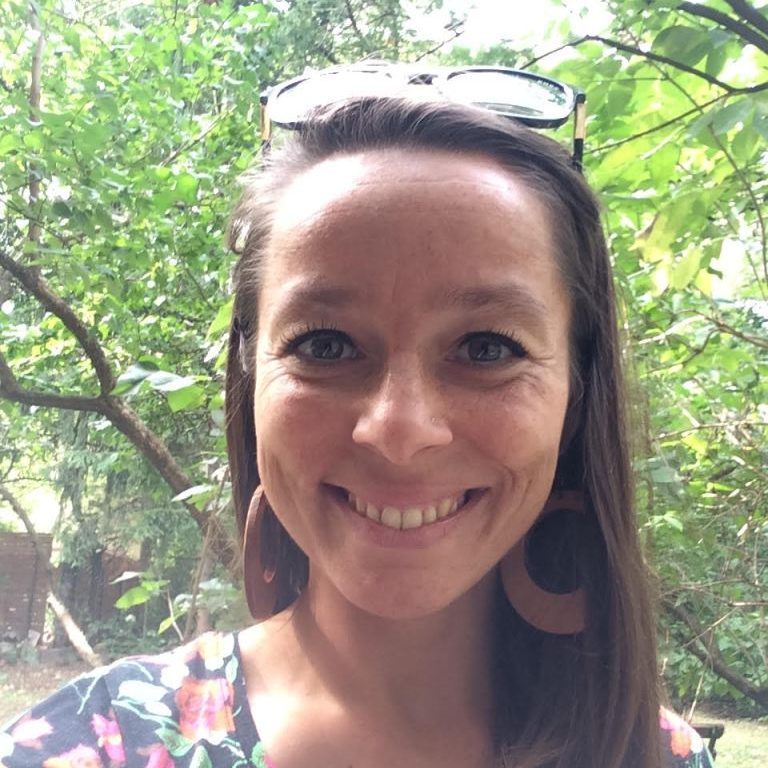
Ágnes Szeghy
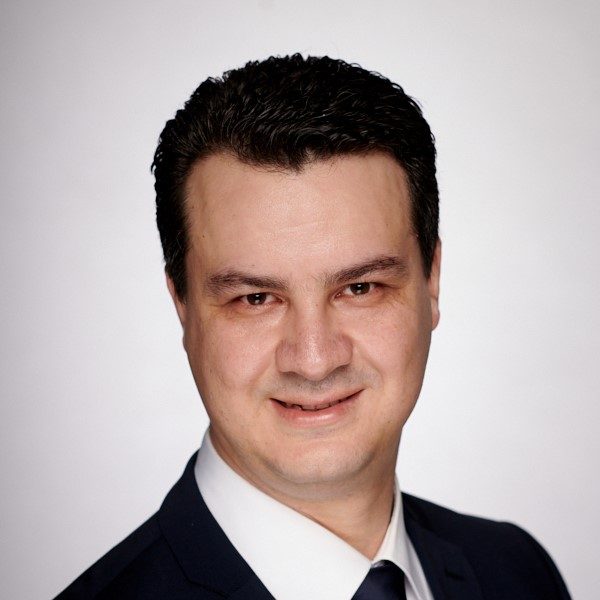
Anass Karzazi

Damian Aleksiev
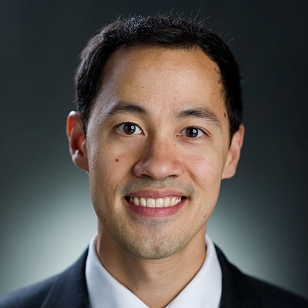
Edward Branagan
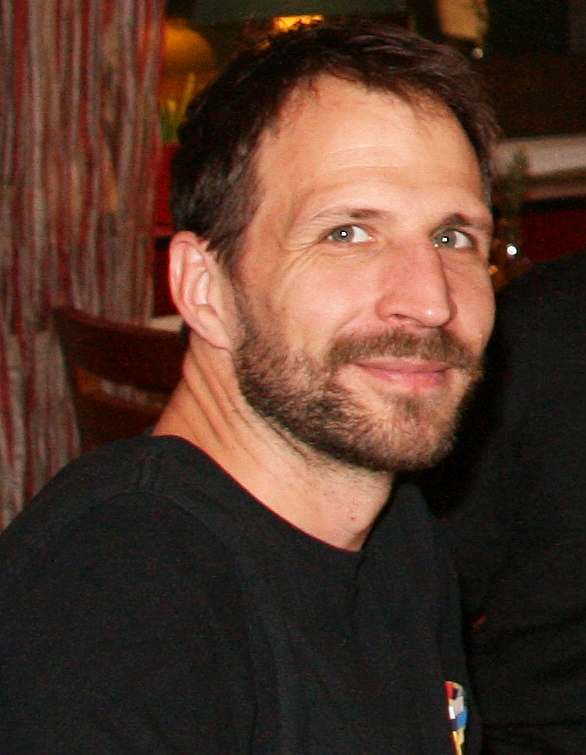
Levente Borsos
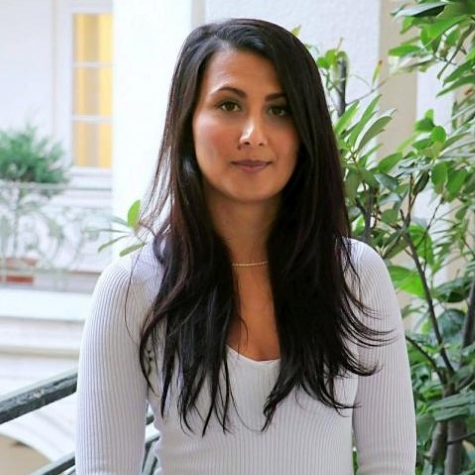
Judit Ignácz
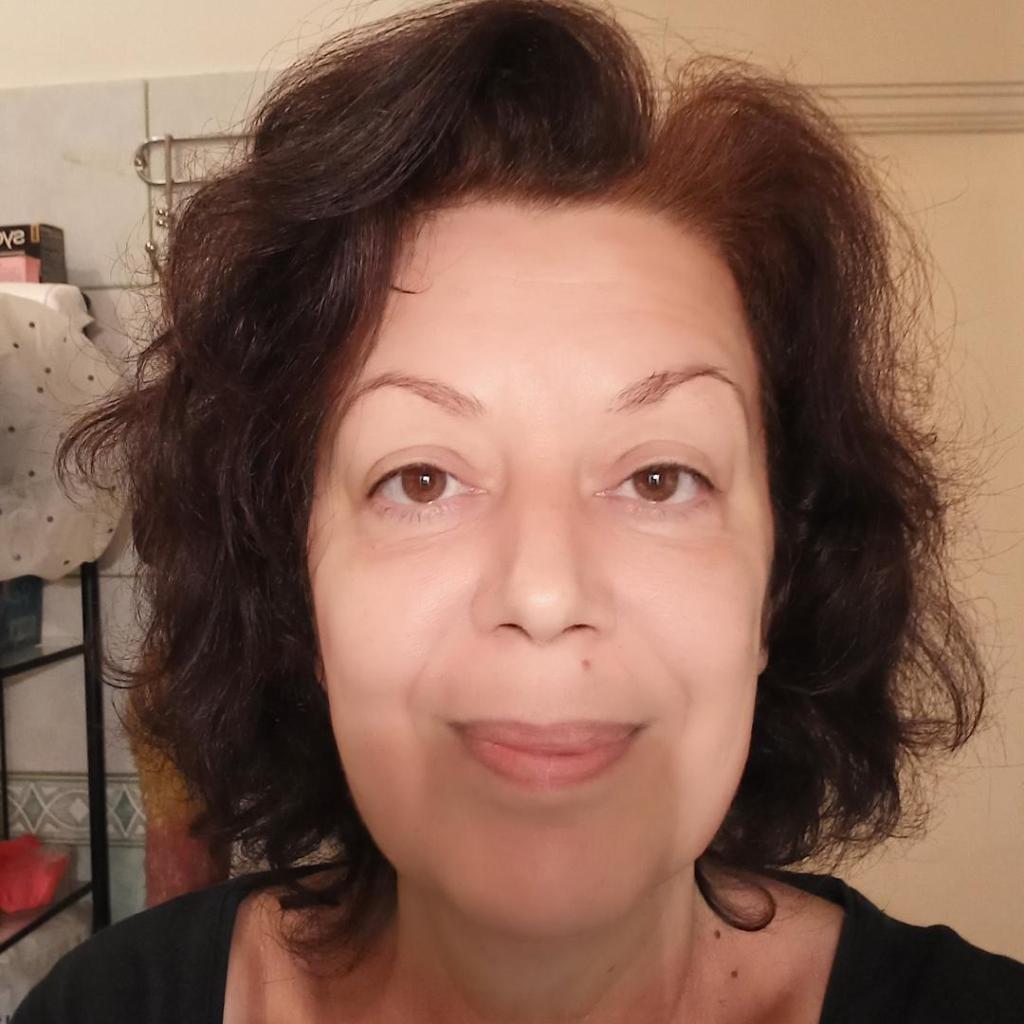
Márton Eszter
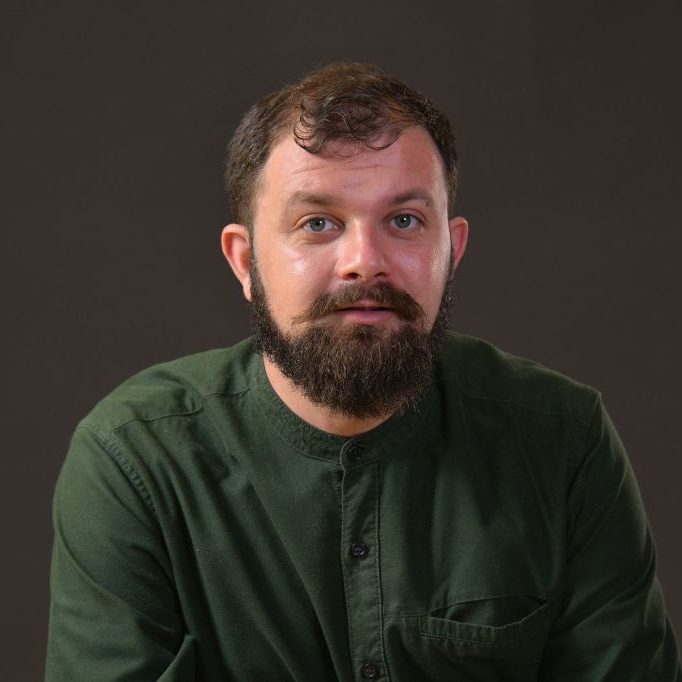
Adrian Matus
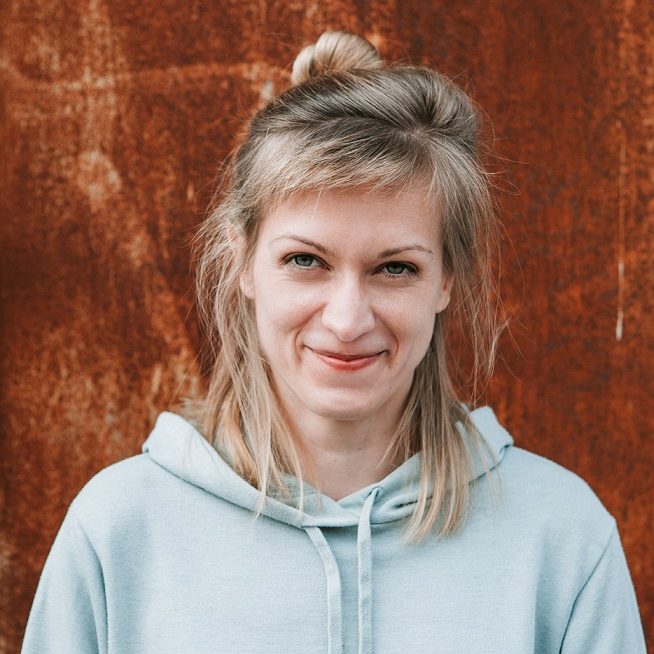
Kinga Szemessy
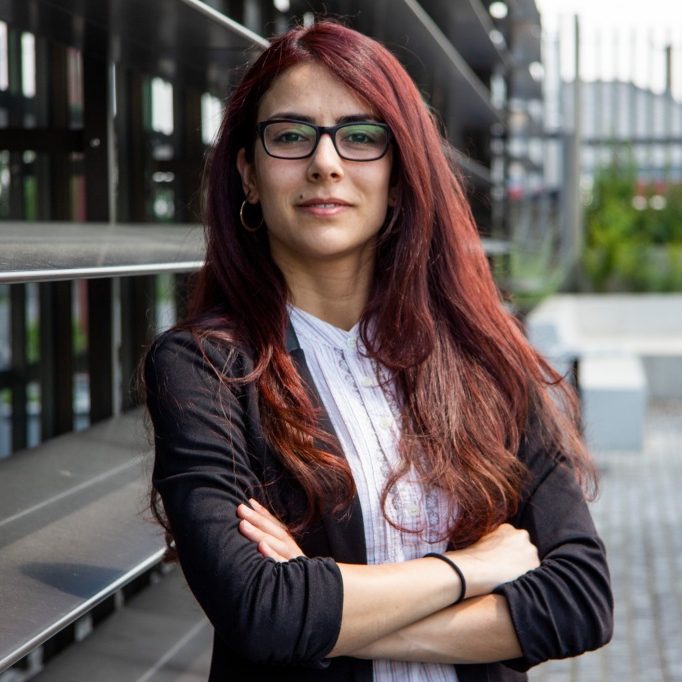
Ameni Mehrez
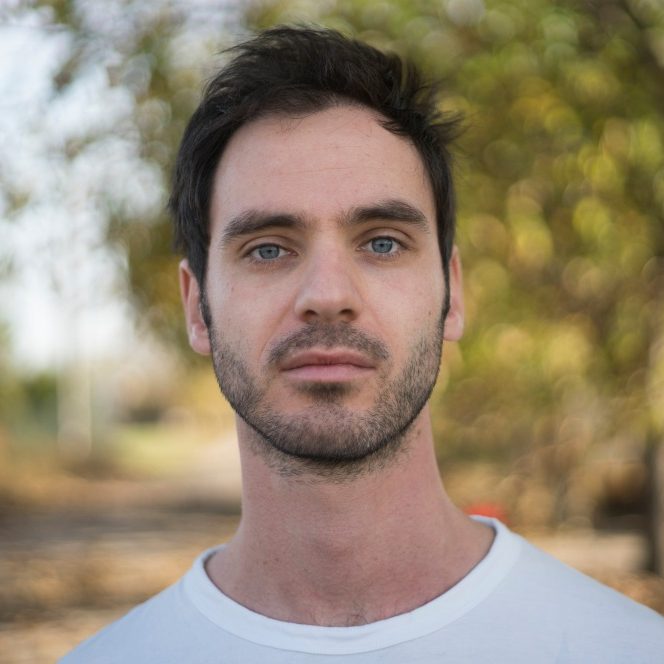
Áron Szentpéteri
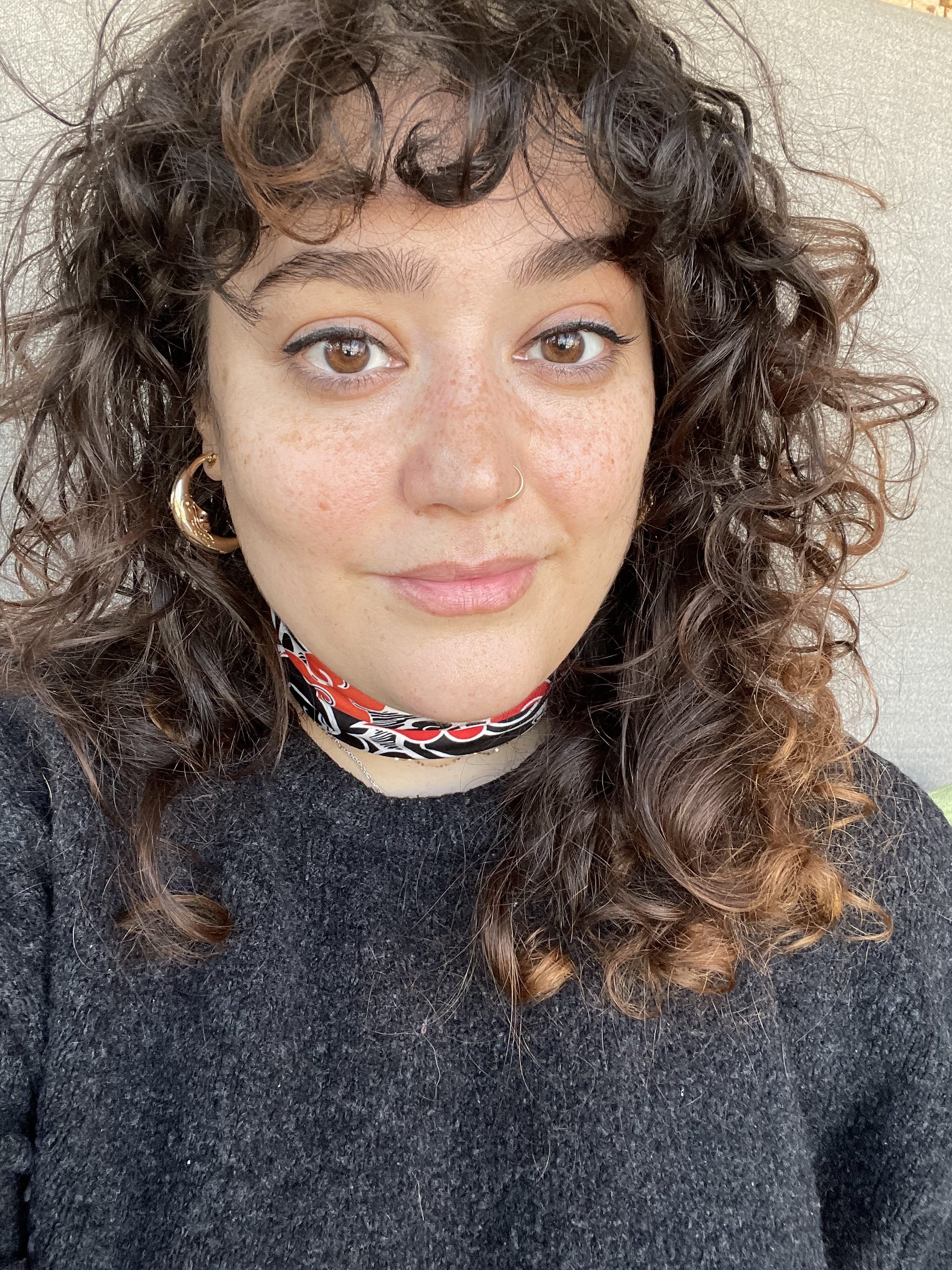
Rethinking Middle East Politics
Taraf Abu Hamdan
Students
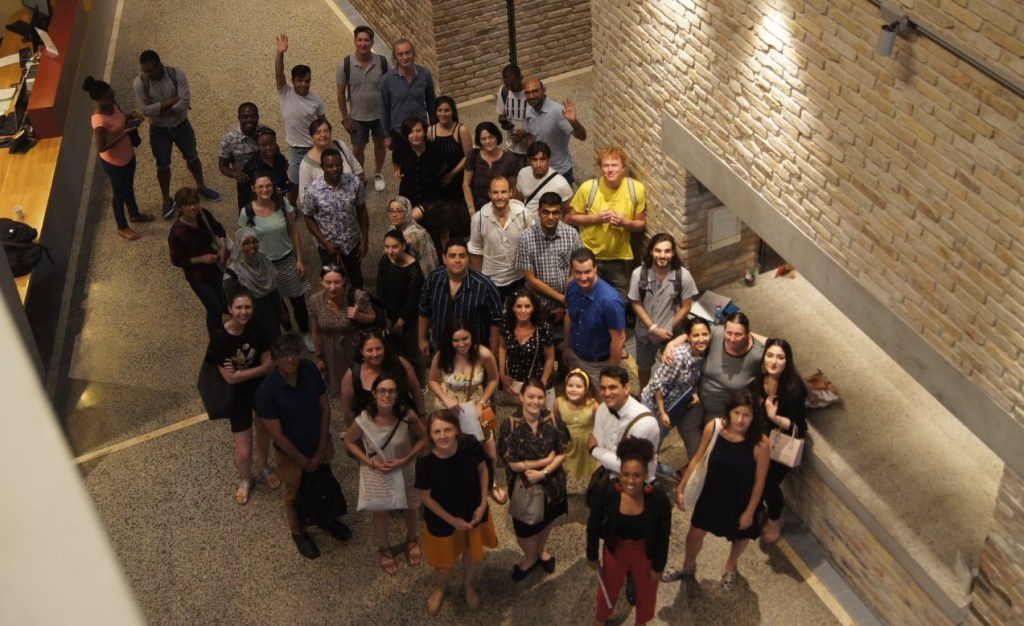
OLIve Weekend Program accepts students based in Hungary with refugee status, asylum seekers, those in refugee-like situations and those who have experienced displacement. Since January 2016, we have worked with up to 45 students each semester. Around 500 students have participated in the Weekend Program.

Our students come from a variety of countries including Afghanistan, Cameroon, Congo, Cuba, Egypt, Eritrea, Ethiopia, The Gambia, Ghana, India, Iran, Iraq, Ivory Coast, Mongolia, Nigeria, Pakistan, Palestine, Russia, Somalia, South Sudan, Sudan, Syria, Togo, Uganda, Ukraine, and Yemen.

