- English for study and work at three different levels
- Journalism
- Urban activism and community organizing
- Psychology: Power of Collective Action in Overcoming Crisis
- Career Skills and Enterprise Development
- Visual Art
- English Communication
More information and course descriptions coming soon!
Previous courses (Spring 2026)
English Communication
This course is designed to help students build confidence in their ability to communicate in English. Students work on articulating ideas and concepts through effective communication. Classes are discussion-based and students will have a chance to explore ideas, engage in debate, evaluate and build on the ideas of others. Classes typically include reading, conversation and short in-class writing. The classroom culture focuses on inclusion and participation, with a focus on building a sense of community and a safe environment for collaborative learning.
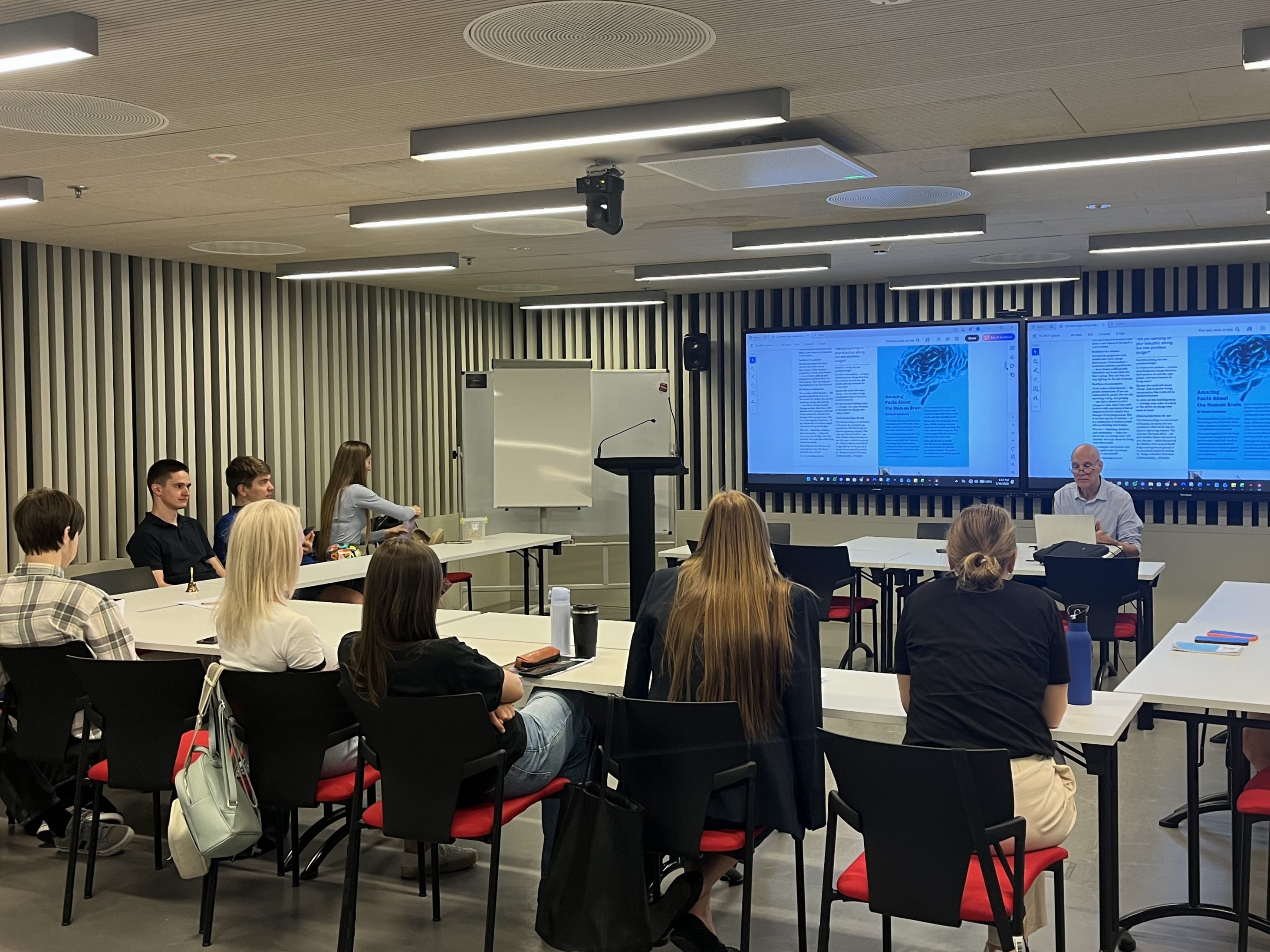
Transforming the Ordinary into Cinematic Vision: Introduction to Documentary Filmmaking
Transforming the Ordinary into Cinematic Vision is a hands-on documentary workshop designed for beginners with little or no filmmaking experience. Using only mobile phones and simple tools, participants learn how to observe everyday life and transform ordinary moments into meaningful cinematic narratives. Over 11 sessions, the workshop focuses on attention, presence, and visual storytelling rather than technical complexity. Participants explore how real spaces, daily routines, and unscripted moments can become the foundation of a short documentary. Through guided exercises, screenings, group discussions, and individual feedback, each participant gradually develops their own film, from initial observation to a completed short documentary. By the midpoint of the course, participants will produce a rough-cut draft of their film, which will be refined through feedback and re-editing in the later sessions. The workshop concludes with a collective screening and reflection. No prior filmmaking experience is required, only curiosity, patience, and a willingness to look at the world differently.
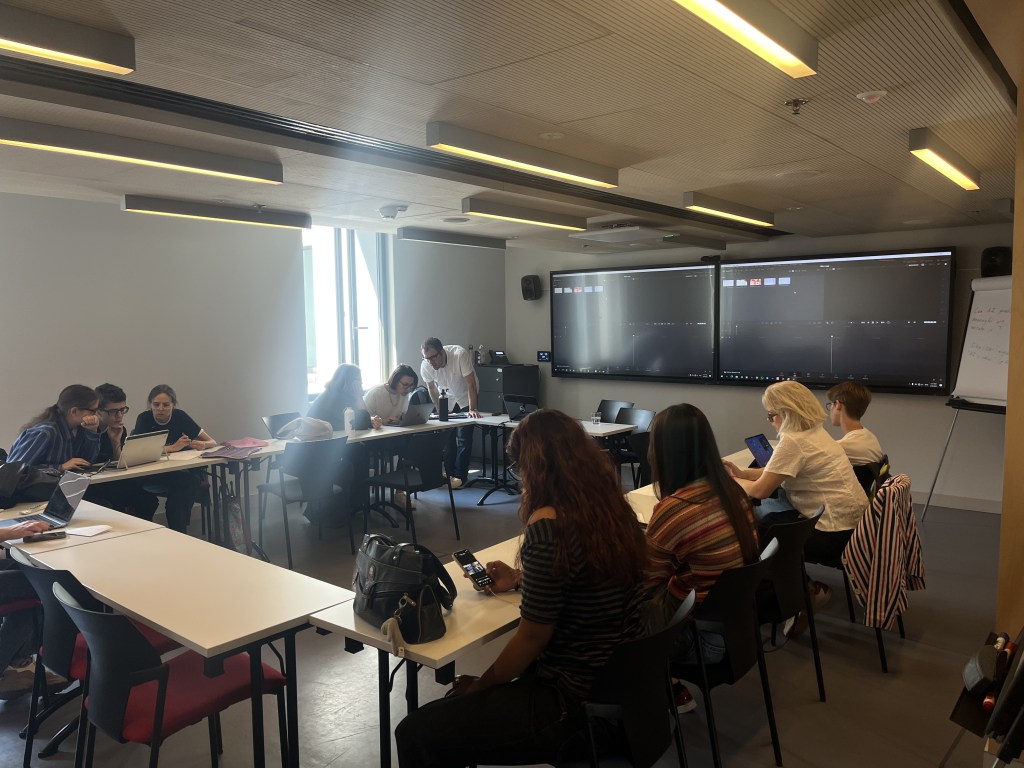
Career Skills and Enterprise Development
The course aims to explore the students’ dream jobs, passions, and their potential career paths including being an employee or entrepreneur. Job-seeking is far more than finding a place to work: to do it in an efficient and joyful way we need a complex approach, and mentoring type of support in this adventure. The participants will work on their own dreams, identify their dream job, and draw a path how to reach it step-by-step with the help of individual tasks and group discussions. Students can create their career portfolio, including their CV, cover letter, knocking letter and LinkedIn profile. They will create a step-by-step plan on how to reach their dreams.
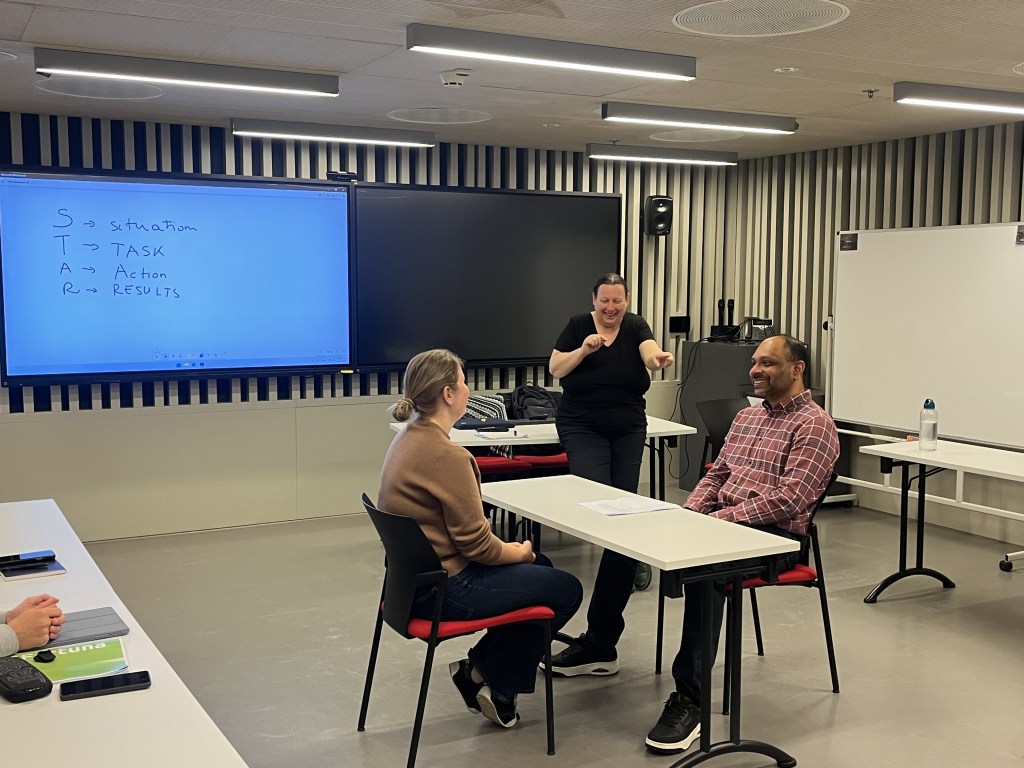
Imaginary of the Other
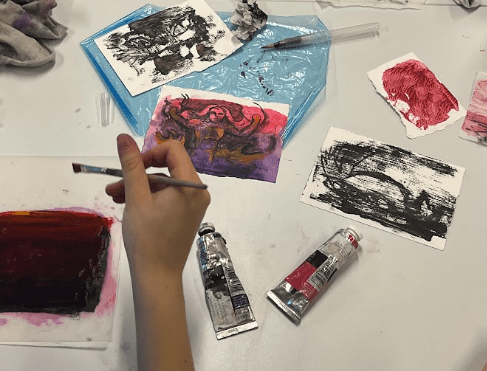
This course uses art and storytelling as a form of protest and self-expression. Together, students look at folk and literary tales from different cultures and rewrite them from a different point of view, questioning power, gender roles, and who gets to speak in stories. The class will bring these reflections together in a collective Zine.
Tech Literacy Through Sci-Fi: Power, Surveillance, and the Politics of the Digital
This course utilizes science fiction as a critical lens to examine the politics of contemporary technology. Through speculative media, short stories, and theoretical texts, students will examine topics such as surveillance capitalism, algorithmic bias, social media, data privacy, and the material and social costs of technological development. Emphasizing intersections of race, gender, (dis)ability, and power, the course encourages students to analyze how digital systems shape our world, and to imagine more equitable futures.

English for Academic Purposes
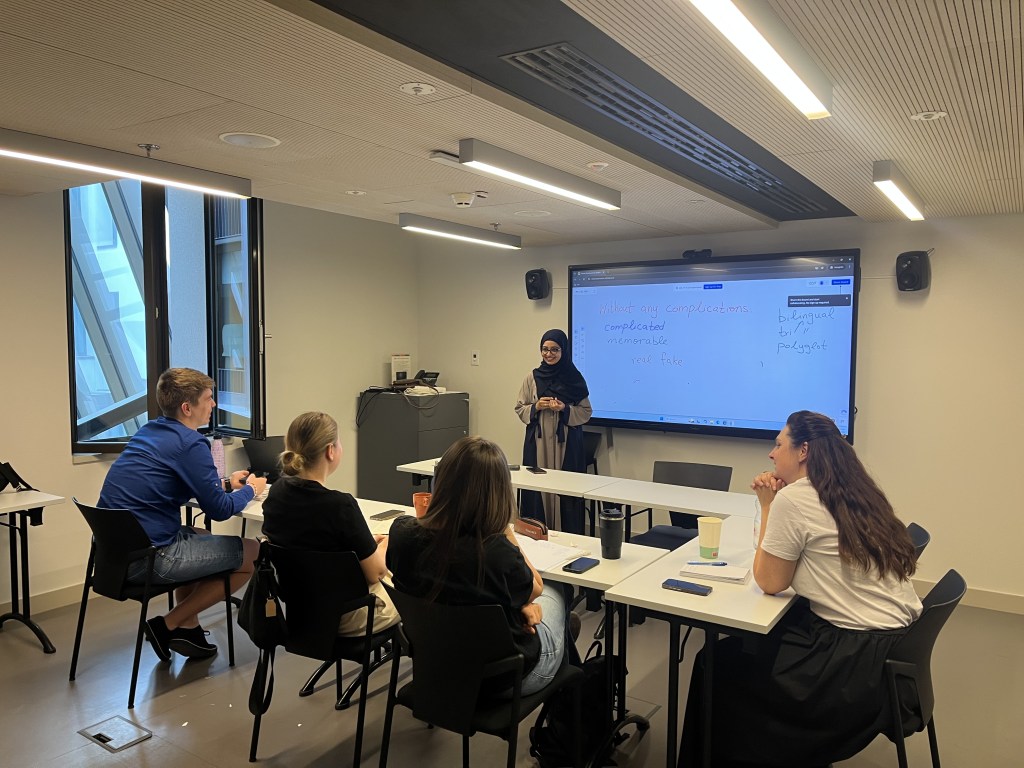
This course focuses on key features of academic writing in English. Students will explore how academic texts organise ideas, present arguments, and use language appropriate for academic contexts.
During the course, students will research a topic of their own interest. Topics may relate to social issues, psychology, literature, language, or other areas. Students will research their topic outside of class and discuss their findings in class. The course will support students in developing the skills needed to communicate research clearly in written and spoken academic formats.
English 2
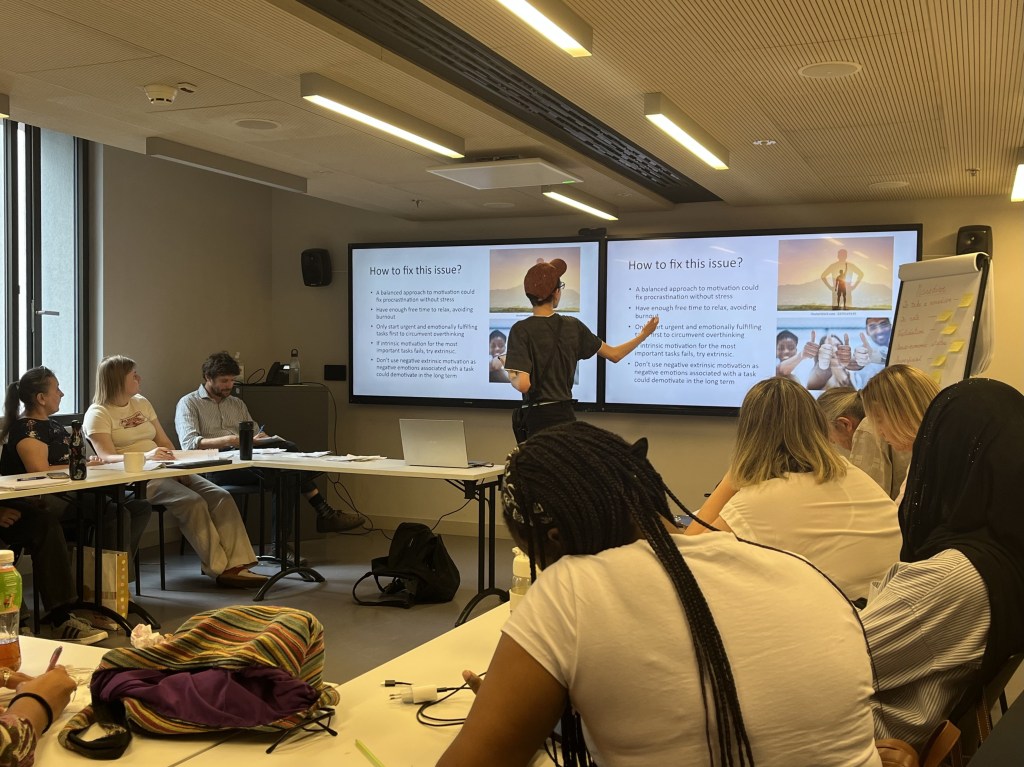
In the intermediate English class, students improve their speaking, listening, reading, and writing skills. They read different texts and learn more advanced grammar and vocabulary. Classes also include discussions and writing short essays. The goal is to communicate more confidently and accurately in different situations.

English 1
In the beginner English class, students learn the basics. They practice simple vocabulary and everyday expressions. They also learn basic grammar, listen to short conversations, and practice speaking through simple questions and answers. The goal is to build a strong foundation in English.
Why is Housing So Expensive, and How to Make it Affordable? Introduction to Housing Studies
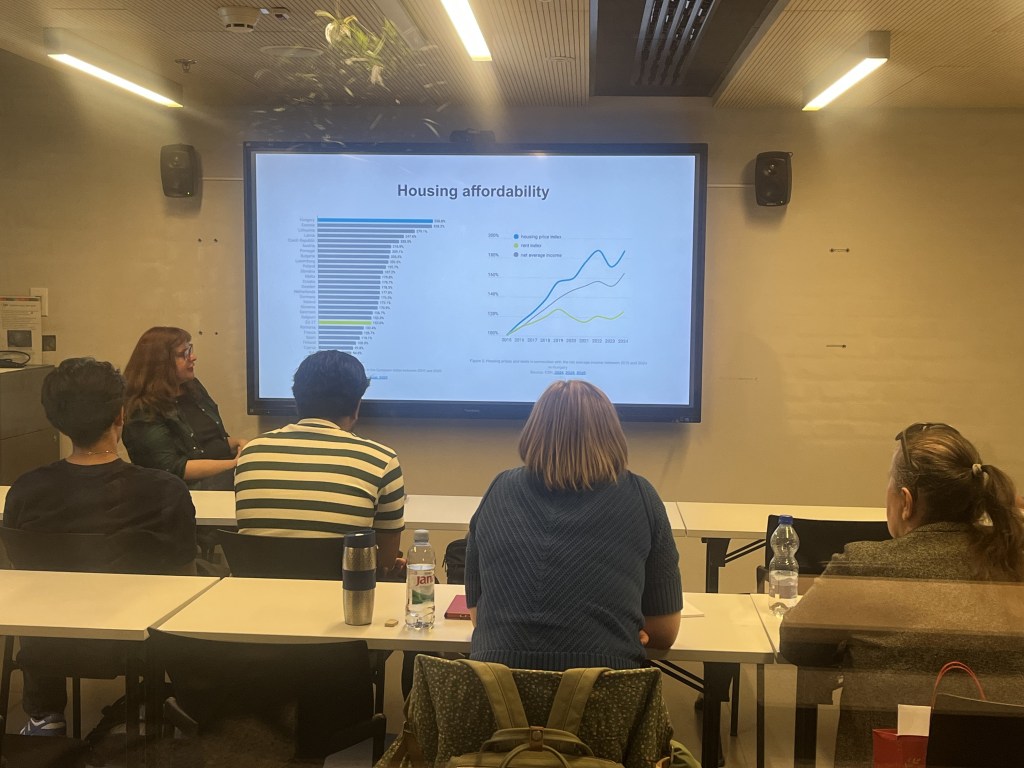
Housing is the foundation of our everyday lives. A secure, affordable home of adequate quality is essential to a healthy and dignified life. Housing is also one of the most fundamental elements of modern financial capitalism: an asset and a site of investment. It is also a field of social, political, and policy studies, and a site of advocacy and political participation for social movements. The course will explore all these aspects of housing through three types of activities. In the classroom, students focus on academic studies of housing (the financialization of housing, housing policy, housing poverty, housing movements, and intersectional perspectives on housing) through class discussions and a policy role-play. Participants will have a 3-hour field trip to Józsefváros to discuss gentrification, housing poverty, and municipal housing services. Students will also co-create research on the housing problems and needs of people with a refugee or immigrant background in Budapest, as well as housing policy recommendations.
Community Day
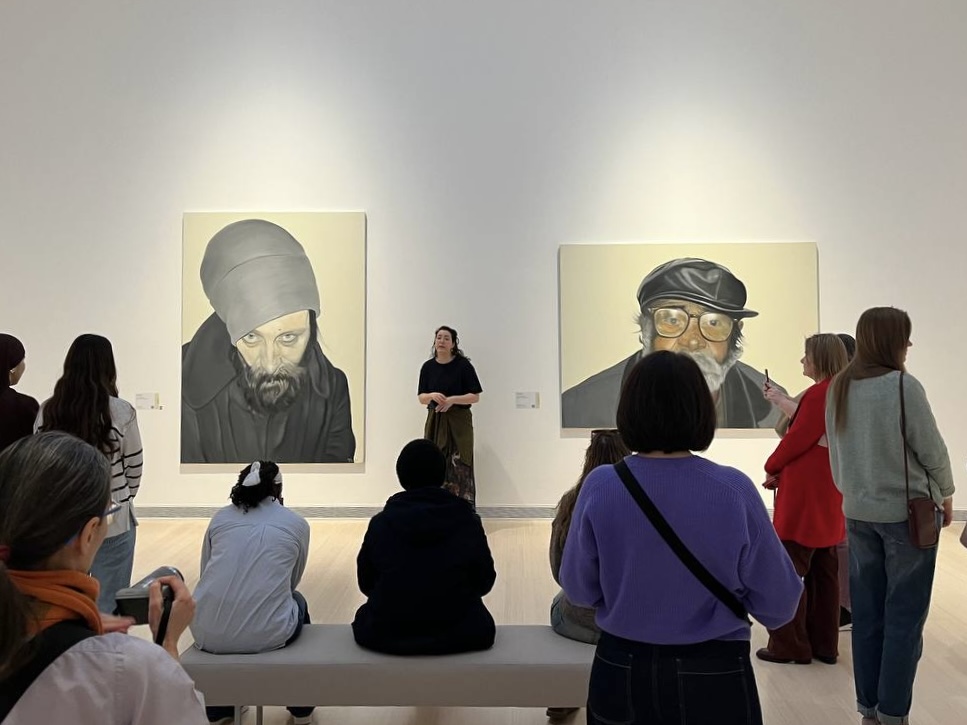
For this semester’s Community Day we had a visit to the Ludwig Museum, where we explored a wide range of contemporary art exhibitions, from street art to environmental themes, hyperrealism, and works about war, society, and identity.
After the visit, we shared our thoughts on the artworks that stood out to us, surprised us, or made us think differently. Later, students reflected on their experience by writing essays.
Previous Courses
This semester we were planning an unusual curriculum with a series of exciting workshops taking place Saturdays. Instead of a few courses running all semester long, we are offering a variety of 3-4-hour programs that allowed the participants to go in-depth on a different topic each Saturday. As always, tuition was free. Due to OLIve’s financial situation we were unable to provide scholarships.
Workshops and field trips in 2025:
Media: Lectures om medis’s role in demoocracy and disinformation, and training on the basics of journalism.

Advocacy: How to be a social activist.

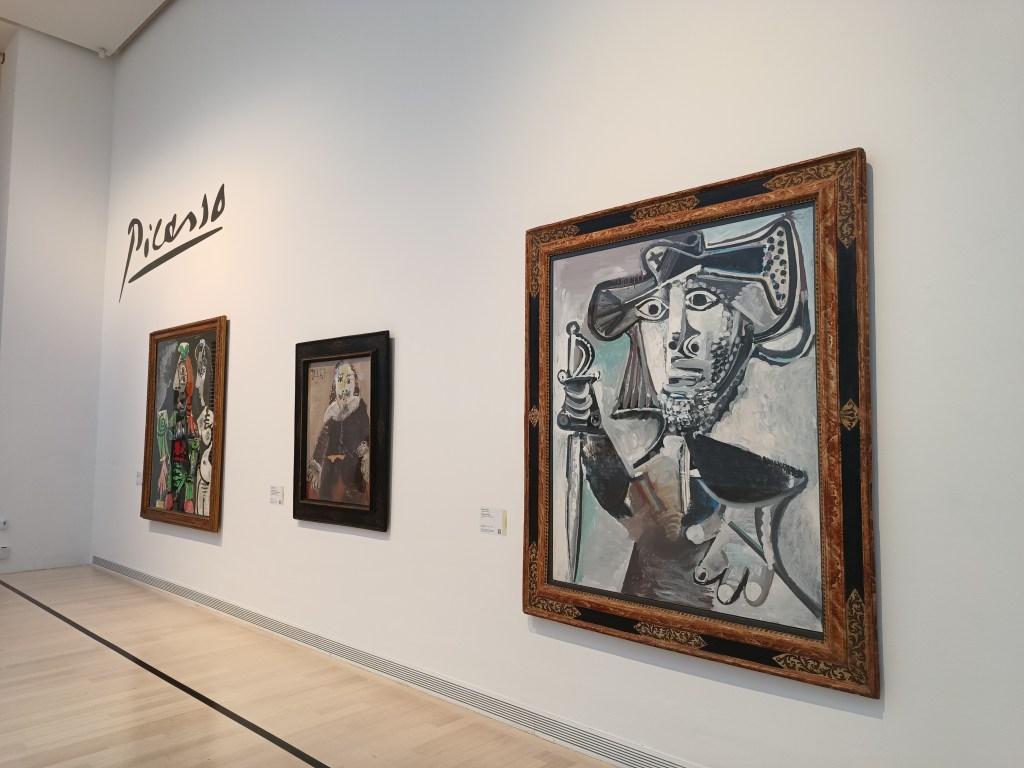
A visit to the Ludwig Museum to tour the exhibitions and go behind the scenes of the collection with a curator.

A visit to HVG: Hungary’s largest and oldest independent news magazine.
Sociology and critical thinking

Sociology theory

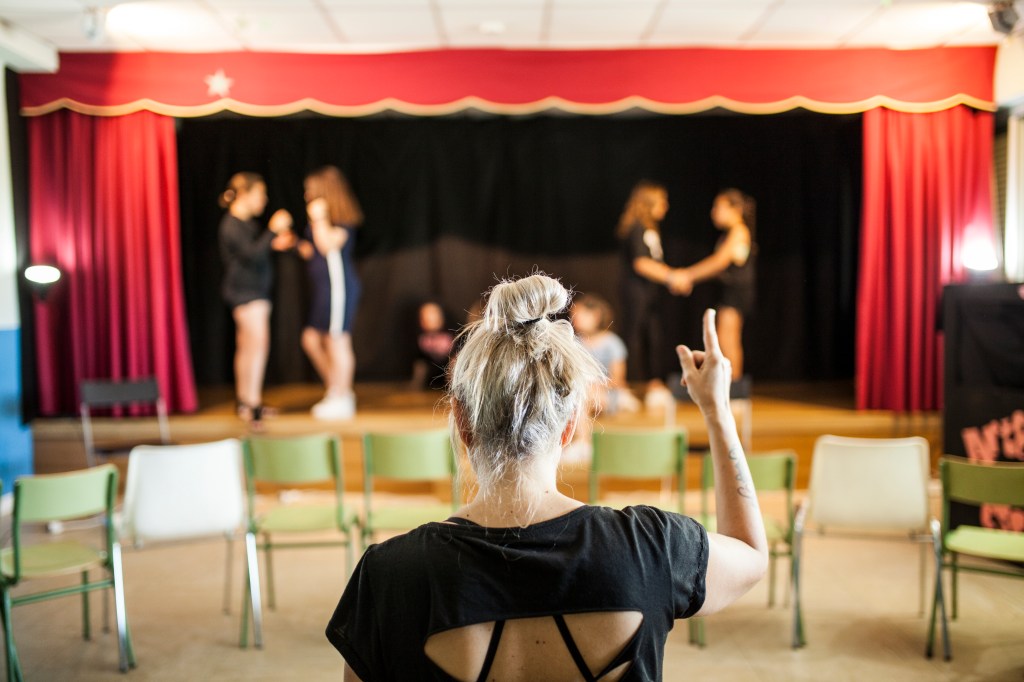
Performing in a community theatre
Developing your CV, finding a job, or starting a company—and selling yourself!

Film making, with an artist and an Iranian director who’s made films about refugees

Poetry: How to read and write poetry

English
We offer three distinct English classes tailored to meet your language learning needs and help you enhance your proficiency in English. These classes are thoughtfully designed to cater to learners of varying skill levels, ensuring a personalized and effective learning experience for everyone. Whether you’re a beginner looking to build a strong foundation, an intermediate learner striving to refine your communication skills, or an advanced student aiming to master the intricacies of the language, our English classes are here to empower you on your journey to fluency. With our dedicated instructors and a comprehensive curriculum, you can confidently embark on a path toward improved English language abilities and broader opportunities in both your personal and professional life.
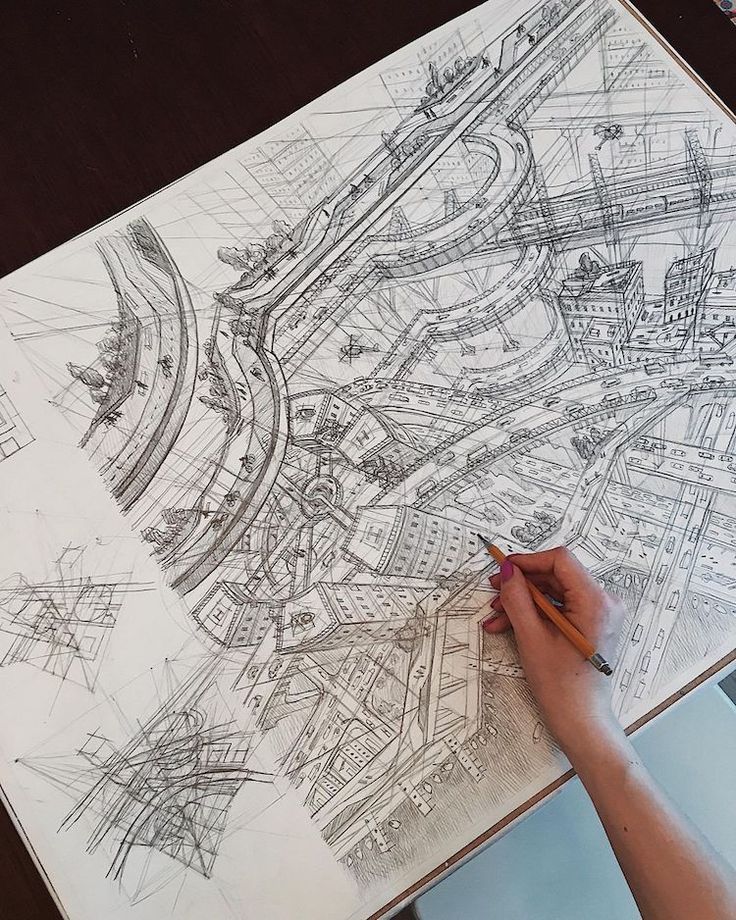
Drawing the City
“Drawing the City” is a collaborative course where students explore urban phenomena and categories of city dwellers through the art of drawing. By sketching in diverse urban locations, they uncover insights into gentrification, urbanization, and more, with a focus on Budapest.
This interdisciplinary approach fosters creativity, enhances urban understanding, and benefits those interested in social sciences. Students will develop both their drawing skills and their ability to decipher the complex tapestry of urban life.

Tutoring for Highschool Students
This course offers personalized tutoring for school students and university applicants, focusing on humanities topics like history, literature, and culture. Students will have the opportunity to explore subjects of their choice based on their interests and needs. This approach not only allows students to delve deeper into their preferred areas of study but also helps them gain a better understanding of various aspects of the world around them, potentially influencing their postsecondary education decisions and career paths.

Introduction to Economics
This introductory economics course is designed to provide students with a practical understanding of economic principles through real-world applications and discussions based on newspaper articles. Through lively discussions, students will explore key economic concepts such as economic growth, contraction, inflation, supply and demand, and price determinants. This course offers a foundational understanding of economics, enabling students to comprehend the world’s dynamics and evaluate the decisions of governments, central banks, businesses, and trade unions. With no prerequisites beyond a basic grasp of mathematics and an interest in the world, this course is accessible to all.

Journalism: A Critical Introduction
This journalism course explores evolving news production in response to societal changes. It examines the impact on journalistic principles like objectivity and democracy, as well as the representation of marginalized groups. Students will develop critical thinking skills to assess news sources, navigate the media landscape, and express their own viewpoints effectively. While intermediate English proficiency is suggested, all are welcome, and language skills can improve through class discussions.

English Communication
This course empowers students to boost their English communication confidence through discussion-based classes and engaging readings. By fostering critical thinking and collaborative learning, it equips students with essential skills for effective communication, idea exploration, and trust-building. These skills are not only valuable across academic and professional settings but also in personal relationships, making this course highly relevant. The only prerequisites are a beginner, basic, or intermediate level of English and a willingness to actively participate in class discussions.

Digital Literacy
This course empowers students with crucial digital literacy and IT skills for the 21st century. Through hands-on learning, they’ll navigate desktop computers, use Google and Microsoft tools effectively, and develop digital communication proficiency.
By course end, students will confidently search, create, communicate, and present in the digital realm, preparing them for success in the information economy.

Career Skills and Enterprise Development
This course guides students in exploring their dream careers and passions, offering mentorship for effective job-seeking and entrepreneurial pursuits. By course completion, students will have crafted a comprehensive career portfolio, including their CV, cover letter, knocking letter, and LinkedIn profile. This knowledge is essential as it empowers students to approach their career journey with confidence and equips them with practical skills for success in the job market or entrepreneurship. The course’s personalized approach ensures students can focus on their specific career goals or business ideas.
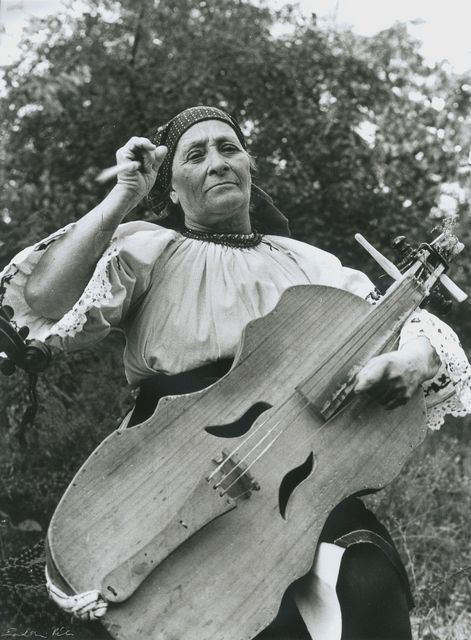
Hungarian folksongs and traditions
In this engaging course, students will immerse themselves in the rich world of Hungarian folk music, discovering its European, nomadic, and Turkish influences. Through singing, they will not only learn the language but also uncover shared symbols in folklore traditions across cultures. Topics will include Hungarian folk dances, traditional attire, and the exchange of folk songs from various traditions. Students will primarily learn Hungarian folk songs and gain insights into holidays and traditions, fostering an appreciation for Hungarian culture. Additionally, singing together will strengthen connections among students and facilitate cultural exchange. The course will enhance language skills, pronunciation, and vocabulary, making it an enjoyable and educational experience.

Introduction to Business Management
This course aims at offering an introduction to business management for 1) students expected to continue their studies in management related programs in the future, 2) for those who have business ideas, or 3) those who are simply interested in business and entrepreneurship. The course includes understanding the company in its economic environment, Entrepreneurship and entrepreneurs, Strategy design, Operations Management, the importance of Human Resources in companies, Marketing and advertising, and the major Financial concepts. In this course, students will develop business vocabulary and critical and analytical thinking in solving business issues and acquire practical knowledge and skills that might be useful in the labor market or to start a new business.

Career Development and Job Seeking Techniques in Hungary
In this course you will learn various skills that will help you in developing your job career in Hungary. The topics of discussion and the skills you will obtain are: Elements of a job contract Any other questions related to job seeking that the participants bring will be discussed during the class.
Setting up career goals: what is your dream-job? (Long-term and short-term goals) Assessing your strength: how to show in your CV what you’re good at? How to write an efficient CV? How to write a cover letter and a knocking letter? Three channels of finding a job: reply for the job ads – networking – direct approach. Setting up a LinkedIn profile, Preparing for a job interview Information about the regulation of working in Hungary: official documents you need for work.

Politics in the Middle East and North Africa: New Approaches to Studying the Region
The region is currently home to several complex dynamics and transformations, by learning about the Middle East, students will be able to explore and understand the various dynamics shaping the domestic politics and international politics, through different critical and multidisciplinary perspectives. Students will engage with political developments, theories, and ideas and how they link to contemporary social, economic, and cultural issues. Through this, students are not only being introduced to the topic of Middle East studies, but the course also aims to introduce different methodological and theoretical approaches, encouraging students to think critically about regional studies as well as political sciences and international relations. The course offers different in-class activities such as debates, discussions, and presentations; and some informal ones such as movie discussions and role-playing games. Students can expect to enhance their theoretical and practical knowledge about the region, as well as acquire different skills related to writing, critical thinking, and analysis.

Drawing and Animation Portraits
The course aims to introduce students to the basics of visual arts and animation. How to start a drawing? How to lead the viewer’s eye by intentionally composing the different elements on the image? How to relate to a portrait painted centuries ago? What can a small, animated gesture add to an image? Focusing on portraits, we will visit the classical and modern art departments in the Museum of Fine Arts and a contemporary exhibition in one of the museums or galleries. Students will also get acquainted with some basic techniques while drawing sketches, copies of some of the artworks shown in the exhibition. After the visits we will think further these sketches. Students will create their own interpretations by drawing their own versions. Students will work with these drawings by learning how to digitalise, edit and animate them with their phone and with the open source program Krita. The outcome: will be a small sized zine, a booklet that we edit together. It will contain reproductions, students drawings, texts, and we also plan to present their animations with the help of an augmented reality application

Food and Culture
Food shapes our daily lives, and religion or individual interest often regulates it. The food industry has a massive impact on global warming and the international economy. Food is an object to represent identity (from masculinity through nationalism to anti-globalism) and wealth. And YOU already know so much about these phenomenon. So bring your food stories and knowledge and teach your classmates and me about your culture. The course will offer you tools to develop an analytical perspective, so by doing your investigation, you will understand more the phenomenon connected to your favorite dish. Completing this course, you will develop your analytical skills, reflect on your own culture, and learn a holistic approach to understanding social phenomenon. In addition, students can try different ways of presenting and developing storytelling and writing skills. The course does not require any specific skills or cooking experience.

Advanced MS Excel
MS Excel is a great tool that was and is still being used by companies and organizations on a large scale to store, analyze, and represent different types of data. MS Excel can be useful with many types of data whether it was related to finance, health, or even social sciences.
In this course we will learn how to create tables efficiently, how to use Excel formulas on an advanced level to help us accomplishing different tasks, how to represent and visualize our data using different types of charts and Pivot Tables, and how to save time with reoccurring tasks by automating them with the help of macros and code writing using Visual Basic for Applications.

The Social in Science
We read about Mars Rovers, CERN collider, God particles and other scientific experiments in daily news. They sound exciting and fascinating to see the achievements of the scientific community. But what do these experiments mean to the rest of us? How do we approach science and scientific experiments from a general social science point of view? This course explores the social aspect of scientific research and why it is necessary to understand the current situation. As beginners, how do we study a sociology of science? This course tries to achieve this objective through looking into various case studies of scientific experiments, projects and day-to-day activities. At the end of the course, you will have an understanding and develop an idea of what is social in science? Why do we need it? And you will have an understanding of the methods used for studying the social in science.
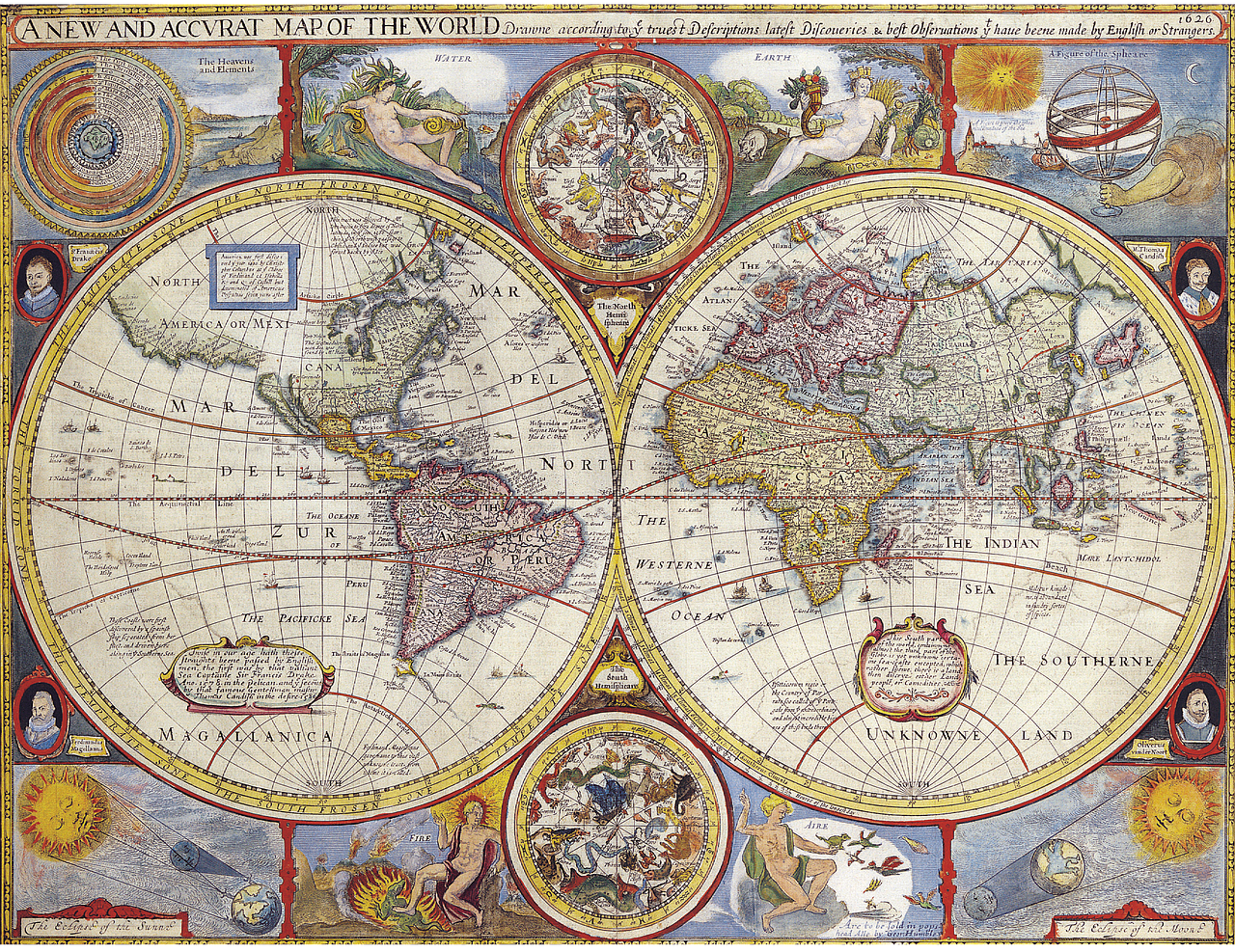
The Secret Histories of Budapest
The secrets of Budapest hide in many places: in the archives, in museums, even on the streets! Throughout the afternoon sessions, we will discover the meaning of the streets, the hidden documents from the archives, and the museums.
Throughout our four sessions, we will explore the history of Budapest in relationship with the greater world. Among the places that we will visit, Open Society Archives will play a particular role. This archive hosts a large collection dedicated to human rights, documents, and forgotten histories. After visiting this archive, we will move to the Jewish Community Archives. This is a highly interactive module, suitable for all that want to learn a bit more about the city!

Creating Social Change
In this course we will plan and implement a social action together. What is a social action? It can be any project that aims at achieving social change in our communities: from organizing a public event, through artistic creation on topics of social relevance, to creative campaigns or community building projects. The options are endless, and It is up to the group to decide the topic and the form of the actual project, as well as its volume (it can be a mini-project if this is what the participants feel ready for)! We will start by mapping the issues that we find important to address, and look at examples of social actions that had an impact. Inspired by these, we will move forward to plan and carry out the group’s own unique project, and finally evaluate the process and draw conclusions. No prior experience needed, we will support you throughout the process! The course is intended for young people under 30 years of age (but please contact us if you are above that and would still like to participate).

Digital Fabrication
A FabLab (Fabrication Laboratories) is an innovative space equipped with digitally controlled machines such as 3D printer, Vinyl Cutter, Laser Cutter, digital sewing machines etc, where data and designs are turned into products. A FabLab represents a methodology that is built on community-driven approaches, promoting participation and empowerment while paving the way to sustainable, durable solutions through enhancing creativity to implement their own designs and products but also strengthen digital know-how which is an important factor in any future employability. In this series of workshops we will exchange with each other, create, innovate and digitally produce products.

Visual Storytelling
Students will complete an audio-visual work of their choice: a short film up to 5 mins in length, a video clip, a photo essay, photo diary, short podcast etc. The sessions within the semester will lead up to the final project: we will find a theme for every student individually, or for groups of students working together, that is personally motivating and we will learn the basic elements of telling stories, composing and framing pictures and of editing. Smart phones and free to use editing software will be more than enough to participate. Students will complete small assignments starting from taking photos, through photo series etc. that we will discuss together as a group at the next session, while continuously developing the ideas of the final projects. Students will be encouraged to help each other and work together on the development and realization of their chosen projects. No prior technical knowledge is necessary for this course
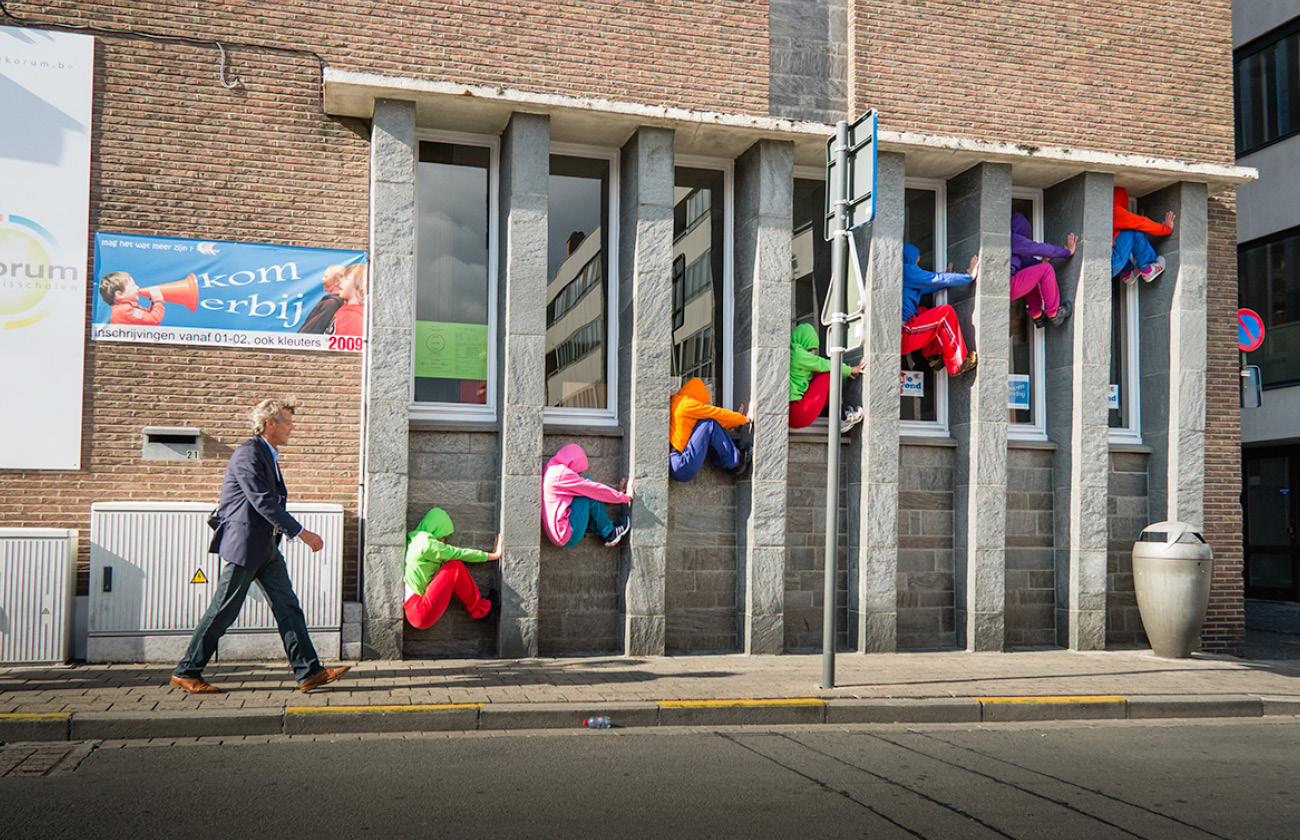
Space and Movement Relations
By observing how we inhabit our spaces as well as our bodies, this interdisciplinary, practice-based course offers an introduction to contemporary choreography. Initially, we will enrich our dance and documentation skills for the sake of being able to perceive the world through the soma, the lived body. Short lectures are going to be given both on participatory installations and public space interventions e.g. parades and flashmobs. Then, as a next step, we are going to imagine/write/draw/build choreographic scores and maps together for others’ sensorial experience. In this regard, the course could be foundational for anyone who is interested in the arts, anthropology, politics, geology/cartography, or just wishes to (re-)connect with the often subordinated bodily being. Prior-experience in dance is absolutely not a requirement

Empowerment and Skills Development
This is a dynamic course offered by the Hungarian Helsinki Committee, one of Hungary’s longest-standing human rights organizations. This course invites participants to explore their personal and social identities, examining the factors that shape their perspectives and values. Together, we’ll discuss pressing social issues in Hungary, envision the changes we want, and analyze the country’s social and political landscape to identify key players at both the Hungarian and European levels. Through case studies of impactful Hungarian and international initiatives, participants will gain insight into what makes social actions effective. We’ll delve into five strategic approaches to tackling social issues: activism, advocacy, service provision, community building, and community development. By the end of the course, participants will be equipped to design their own social actions and campaigns, ready to create meaningful change in society.

Hungarian Language
In this course we will focus on effective communication in both everyday and professional settings. Course contents will be adapted to students’ individual needs. Through learning Hungarian, students will also be introduced to Hungarian culture.
Key Dimensions of Business Management
This course aims at offering an introduction to business management for students who want to continue their studies in business or management related programs in the future, or for those who have business ideas, and those who are simply interested in business and entrepreneurship. The course uses practical methods to help you understand modern business and provides a foundation to further expand your knowledge about issues related to management. In this course, students will be able to obtain a business vocabulary and advance in critical and analytical thinking in solving business issues. The course also allows students to acquire practical knowledge and skills that might be useful in the labor market or to start a new business.
Theatre in Everyday Life
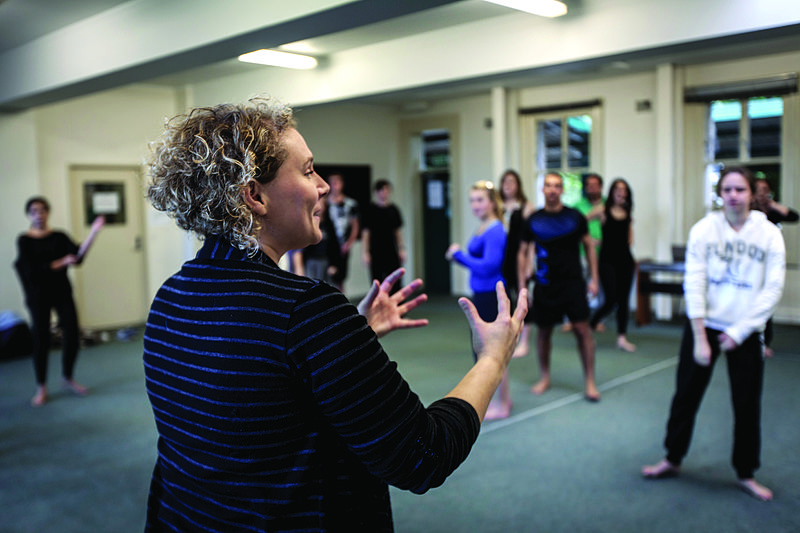
Have you ever regretted the way you acted or reacted in a situation? Ever wondered what would have happened if you had said or done something different? Now you can turn the clock back and try it. We play typical everyday situations, change roles, change words and will see how many outcomes can a simple case have.

Introduction to Global History
What does global history mean? What are the differences between national and global narratives? The course entitled Introduction to Global History will offer different solutions to these contemporary questions. During the sessions, we will discuss the method of using various types of primary sources ( such as interviews, archival documents, letters, and everyday objects). The students will also learn how to form a valid opinion on the historical sources and they will be introduced to various schools of historical thought. The course is designed for participants that want to study and understand history, political sciences, literature, anthropology, human rights, law and sociology.

Introduction To Web Technology
This course will help students to improve their skills and encourage them to expand their knowledge within the area of technology. Topics that will be covered in this course are
Web-1 and the history behind today’s technology
Web-2 and processes for apps and websites and client-side, making a website via WordPress, plugins and package builders, getting familiar with programming and the SQL languages.
Web-3 and Blockchain and more about Technology in finance.

The Boardroom Simulation Game
The Boardroom Simulation Game is designed to place students into realistic business and management scenarios. Participants will form the board of a fictional company and work in a team to apply and practice their knowledge in the key dimensions of business management. The game is turn-based and students debate, argue, calculate, forecast, and take action based on the scenario exposed in each round. The game incorporates various decision making problems. Specific sessions will be dedicated to wrap-ups and to introduce new management concepts. Students will have to understand major issues in each scenario and translate their ideas and analysis into actions.

Critical Thinking
This course aims to teach students the skills of critical thinking. Mastering critical thinking is beneficial to almost all areas of life: from personal communication and professional growth to tackling the universe’s big questions. Students will learn both the formal details and real-world applications of critical thinking. We will examine a few big philosophical questions and see how thinking critically helps us understand reality better. We will learn how to build good arguments and win arguments in real-life situations. We will put the art of critical thinking to use in debunking everyday logical fallacies and conspiracy theories.

International Development Seminar
This introductory course on international development explores a broad number of salient topics and questions about poverty, inequality, human development, sustainability, international trade, and public policy. The course will provide students with an overview of major theoretical contributions to the field of development studies, including economic models, and present empirical cases. Students will learn to read and critically analyze texts, formulate arguments, summarize main ideas of academic papers, and compare country studies using appropriate qualitative and quantitative measures of analysis. The instructor with students’ input will periodically invite guests, who are experts on relevant topics

Human Rights and Social Justice II
This course aims to introduce students to the normative justification of human rights, their historical development and integration within international law, and their advocacy and invocation in the claims on justice of various social justice movements. The course is designed for the needs of students on the academic and the activist track at OLIve. The class aims to discuss fundamental philosophical problems associated with the nature, content and justification of human rights; familiarize students with the legal status of human rights and the work of the international organizations that promote and enforce these rights; analyze the advocacy and use of human rights claims by contemporary social justice movements in different social and political contexts

Individual possibilities and social traps
This introductory course on international development explores a broad number of salient topics and questions about poverty, inequality, human development, sustainability, international trade, and public policy. The course will provide students with an overview of major theoretical contributions to the field of development studies, including economic models, and present empirical cases. Students will learn to read and critically analyze texts, formulate arguments, summarize main ideas of academic papers, and compare country studies using appropriate qualitative and quantitative measures of analysis. The instructor with students’ input will periodically invite guests, who are experts on relevant topics

Introduction to Business and Management II
This course aims at offering an introduction to business and management for students expected to continue their studies in business or management related programs in the near future, mainly at Bachelor level. The main focus of the course is the general aspects of modern business and management and provides a foundation to explore issues expanded on in future business courses. It provides students with the opportunity to develop a business vocabulary and advance critical and analytical thinking in solving business issues. The course also helps participants to acquire practical knowledge and skills that might be useful on the labor market or to start a new business.

Fundamentals of Accounting and Finance II
This course covers basic financial concepts such as the time value of money and risk and return and aims to improve students’ skills in Excel. In addition to learning financial concepts, students will learn how to apply their knowledge to create a budget, analyze an expense report, and value projects using discounted cash flows. Students will also practice working in teams. In five sessions, students will be introduced to the following topics: Revenue and expense budgeting – how to analyze and create budget using a template // Expense analysis and reporting – manipulate pivot tables and create visuals of data // Risk and return; and time value of money // Project valuation – discounted cash flow (DCF) method and net present value // Role play simulation – impact of financial decisions on employees.

Thinking Big: Exploring Social Issues
This course is designed to give OLIve Weekend participants an introduction to some of the ‘big questions’ in social sciences, as introduction to and/or preparation for further multidisciplinary education.Upon completing the course, the participants will: become better equipped to read, discuss and critique academic works; become introduced to some of the ‘big’ topics in social sciences, and become familiar with some key works and theories/approaches; gain experience in critical thinking, argument-building, supporting and presentation; gain practice in some core practical academic skills: note-taking, seeking out and identifying relevant literature, preparing short presentations, writing position papers, engaging in in-class debate;

Urban Photography
Students will practice creativity and attention to detail, and acquire basic post-production skills. They will learn to develop a photographer’s eye for composition, ensuring that their photos will be improved in the future, even if only taken on a smartphone. They will also gain a more developed aesthetic appreciation for the world around them and have the confidence to capture and express their everyday lives through photography.
Learning Goals: Students will learn compositional rules of photography, Learn visual storytelling, and improve their sense of photographic principles to assist in higher quality personal photographs.

Online Radio and Podcasting
The online radio and podcasting workshop will introduce students to the basics of making audio content and will include sessions on use of audio equipment, writing and listening, editing, and reaching the right audience. Audio content such as interviews, podcast episodes and online radio can be used in academic, political, and creative work. If you want to start your own publication, promote a cause, or make your work known to people, podcasting and radio can be a way to reach them.

Time Management
During the workshop we will explore our habits in managing our time: we will identify what works and what not – and we will look at the reasons behind it. We will discover useful practical knowledge that helps to understand how to be productive and what to do with postponing, time-stealers and other impediments. Learning Goals: To understand deeper the basic principle of managing your time, To learn how to set up priorities, To face with the challenges of managing time in an efficient way

Career Coaching
During the workshop we will explore a method called the Circle of Creativity, which is a spiral type of planning method that is used for both personal development / career planning and managing projects. It follows the logic of the Golden Circle of Simon Sinek: Why – How – What? The participants will create a career plan for themselves based on the learned method and will pitch it for the others

Power and Rights
The activist track offers students the possibility to learn how to be active citizens and advocate for their rights, including through civil society organizations, informal affinity groups, workplace organizing, community associations. Students learn how to represent, manage and organize. Ideally, students will have the opportunity to start an internship, a job shadowing or volunteering program at a local organization.

Q and A: Doing Research in (Inter)national Politics
The course is designed to give OLIve Weekend participants an insight into the workings of political science as a discipline, through focusing primarily on the process of designing and doing research. The course covers: what is political science, the elements of good research design, how to ask a good question, the role of theory, the qualitative and quantitative research processes and designs, data collection and analysis. These topics will be discussed through practical engagement with examples from daily life, hands-on methods, as well as through reading and discussing relevant works from the discipline.

Introduction to Social and Visual Studies
The aim of the course is to provide an introduction to the critical inquiry of social phenomena and their visual representation. Social questions and their representations are discussed together. How do forms of social exclusion, gender roles, and various stereotypes are represented in pop culture and art? How could we study and challenge forms of social oppression with visual tools? This is an introductory course in Hungarian language which is open to any interested persons irrespective of their educational background.
Open Seminars – Culture as common good in times of crisis
OLIve Weekend Programme runs the Open Seminar Series every Saturday. The Open Seminar will tackle with the issue of cultural production and the endeavors to reform or radically change the way it is structured and imagined.
Speakers: Marius Taba, Dean Starkman, David Weberman, Tamara Steger, Andras Lederer, Viola Zentai, Paul Stubbs, Veszna Wessenauer, Claudio Sopranzetti, Prem Kumar Rajaram

Critical & Creative Thinking: Tools and Skills for Analysis in Study and Life
This extended version of the OLIve Spring-Summer term course includes sessions on reasoning, and aims to use conversations about art and inequality as a springboard to practice critical thinking as a skill. The classes are discussion-based and heavily rely on student participation, such as creative activities, both in-class and assigned as homework, ranging from imagining art projects and drawing self-portraits, to translation and a virtual visit to a national gallery. The aim is to let students explore creative tools as thinking instruments that can further their understanding of how art is made and how we think about it.

Academic Skills
This course is designed to introduce students to the academic skills required to build competency in researching, designing, and drafting academic documents. Class sessions lead students through the various steps of academic document drafting, from research and data collection, to document layout,
and final publishing. Class sessions lead students through the various steps of academic document drafting, from research and data collection, to document layout, and final publishing. Students will practice their academic writing and hone their critical thinking skills

Media Literacy
Understanding media is an essential skill these days. It especially helps those targeted by propaganda and those who try to settle in a very different environment from their own. The more one knows how the media works, the more critical, protected and aware one gets. The course utilises insider knowledge about the media with a lot practical, real-life cases and examples. Course structure: Media Massage – What Does “Media” Mean? // Video Killed the Radio Star – Media History // War is Peace: The Nature of Propaganda // Reality: Disappeared – The Crisis of the Press // Journalism, Q&A

Introduction to sustainable development
During the six week long short course students we will touch six global environmental and sustainability challenges that the world is facing. For each one we will clarify both the problem and the solutions. At the end of the course, students will be able to comprehend the basic terms in environmental sciences and sustainable development, gain an insight into the tools that governments, businesses and NGOs have in their hand to change the environment, think in (eco)systems and make changes in their own lives to live more environmentally-friendly lifestyles.
Activism
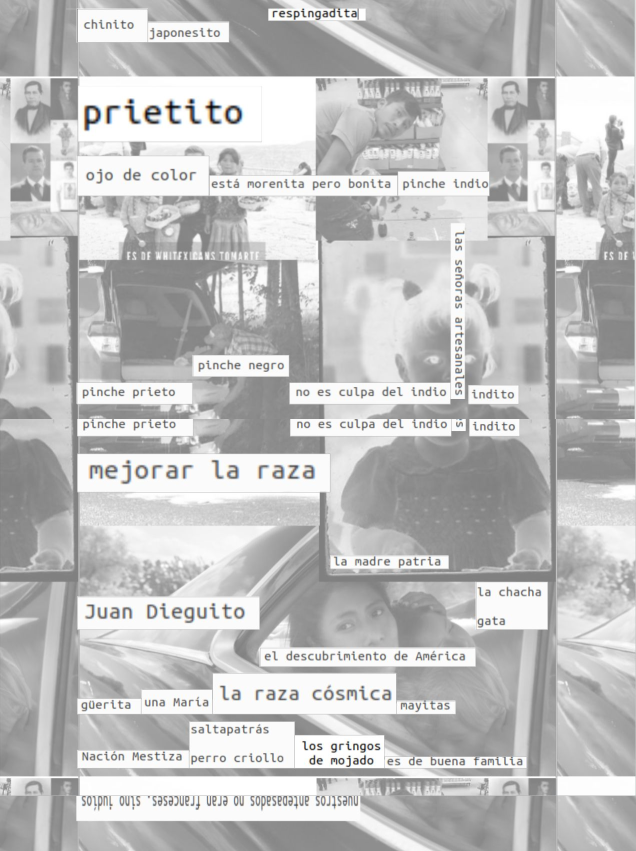
This course empowers student with basic activism skills to advocate for their communities. Participants will learn about human rights, social justice, peaceful advocacy, and effective communication. Through workshops and discussions, they’ll explore organizing campaigns, building networks, and using social media. Designed for beginners, it provides a safe space to gain confidence, practical tools, and the knowledge needed to create meaningful change and stand up for their rights.

History
This course provides an introduction to the academic discipline of history, as well as a basic introduction to some of the main topics in modern European history. It is aimed at preparing high school graduates for university education (at a Bachelor level) in disciplines related to history and humanities/social sciences at large. It is also aimed at broadening the intellectual horizons of students and introducing them to thinking about historical and contemporary topics in a fact-based, critical, scholarly way.

European Politics
The course aims to give insight into the European politics and societies. It will provide distinct focus on European policies and policy-making, and on Europe’s role in the international system. Through the in-depth study of case studies, students analyse how history has shaped the political and economic relationship of European countries. They also get familiar with the basic international relations concepts and theories that are useful for making sense of contemporary debates and challenges in international politics. By the end of the course, students will be familiar with the main institutions of the European Union and the fundamentals of the European and especially Hungarian politics.
Critical Creativity: Art/Literature in Society
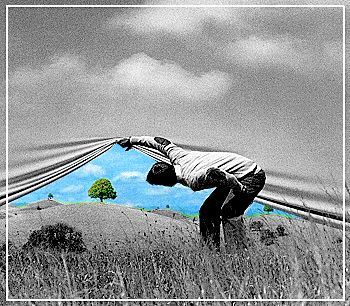
This course offers a brief introduction into the complex relationships between artistic production, literary texts, and societal processes. Students will explore a number of introductory readings on some of the key nodal points which inform these relationships: for example, art/literature and the nation, art/literature and gender/sexuality, art/literature and race, art/literature and class, art/literature and the economy.

Visual Story Telling
The course will provide students with the knowledge and skills of how to compose and arrange visual images to tell cohesive and engaging stories. Students will demonstrate the ability to communicate narratives of varying complexity purely through images, without written or spoken language. This could be in the form of photo-story, storyboard, animation or film/video

Using Digital Tools for my Project?
This course is designed to introduce students to the academic skills required to perform basic research and writing. Students will learn how to: use the CEU library and access other online resources to conduct research; formulate, structure, and support arguments citing scholarly sources; and CV writing that will prepare students to submit university applications. Students will practice their academic writing and hone their critical thinking skills. Mandatory reading and homework will be assigned (about 2 hours per week) and the expectation is that students complete all required readings and homework prior to each class session.
Gender, Sexuality and Diversity
This course provides an introduction to the political, legal and, cultural issues related to gender and sexual diversity in societies worldwide. It explains the history of the struggles for the improvement of the status of women, as well as the fights for the social inclusion of LGBT (lesbian, gay, bisexual and trans) people. It introduces the main documents on the subject, and outlines the political and legal situation worldwide, with a particular focus on Hungary and the EU. It analyses various cases of discrimination, exclusion, and violence, as well as it outlines examples of progress and positive change, engaging also with the pre-existing knowledge and experiences of OLIve students. The course prompts students to think about the reasons behind some of the discriminatory and violent practices in Europe as well as their countries of origin, and it encourages them to reflect on their role in integrating/mainstreaming a gender perspective in their activism for building more inclusive and egalitarian movements and societies.

Introduction to Web Development
This course will introduce students to the basic concept of web development. In the end of the 5 weeks students will know what HTML5, CSS3 and JavaScript are and how to use them. They will put their knowledge into practice to (re)create a website. This course will give a foundation for future learnings in the topic. Course structure: Web Hosting // HTML5 basics // Introduction to CSS3 // Introduction to JavaScript // Advanced Web Development possibilities

Introduction to Contemporary Dance
Students will choreograph and perform a dance piece that expresses an idea, story or feeling, learn to express ideas and feelings through movement and creativity, develop confidence through performance and feel the power of dance to enrich the body and mind. The objective of the course is to develop choreographic, performance and appreciation skills in dance. Students will acquire knowledge and techniques enabling them to create and perform movement based upon a range of stimuli. Course Structure: The rudiments of movement // Learning and developing repertoire // Responding to stimuli and appreciation // Motif development and choreographic devices // Performance skills.

Energy and Sustainability in Times of Crisis
This course intends to be a forum for engaging scholar, activist and everyday interests and experiences of the participants-learners in the contemporary challenges posed by climate change, transition policies, consumerism, the post-Covid, as well as the ongoing mobilization of scholars, activists, and citizens in the matter. Instructors will guide the unpacking of problematic concepts like ‘sustainability’, ‘energy efficiency’ and ‘transition governance’ as the basis for an exploration and critique of a fundamental topic in contemporary politics, i.e. that is increasingly becoming problematic in our everyday lives. We intend to focus on energy due to its relevance in climate change and to the universally shared roles in the production of practice and knowledge, e.g. through consumption practices

Get closer to yourself through Movement-Meditation
This workshop is based on yoga, meditation, conscious movement and art methods. This process supports the participants in strengthening their self-confidence, expressing themselves, coping with stress and anxiety, and cooperating with each other in a supporting community. It will help them to relax their mind, listen to their body, connect to themselves and others in a safe environment. As movement is a universal language, it is accessible to everyone. However through reflecting on the experiences, they will improve their communication skills as well. Activities include: guided yoga, postures and breathing exercises // walking around in the space with different instructions // cooperating in pairs and groups: mirroring the other’s movement in different ways, leading-following exercises, expressing emotions through body posture, common dance creation // freestyle movement

